

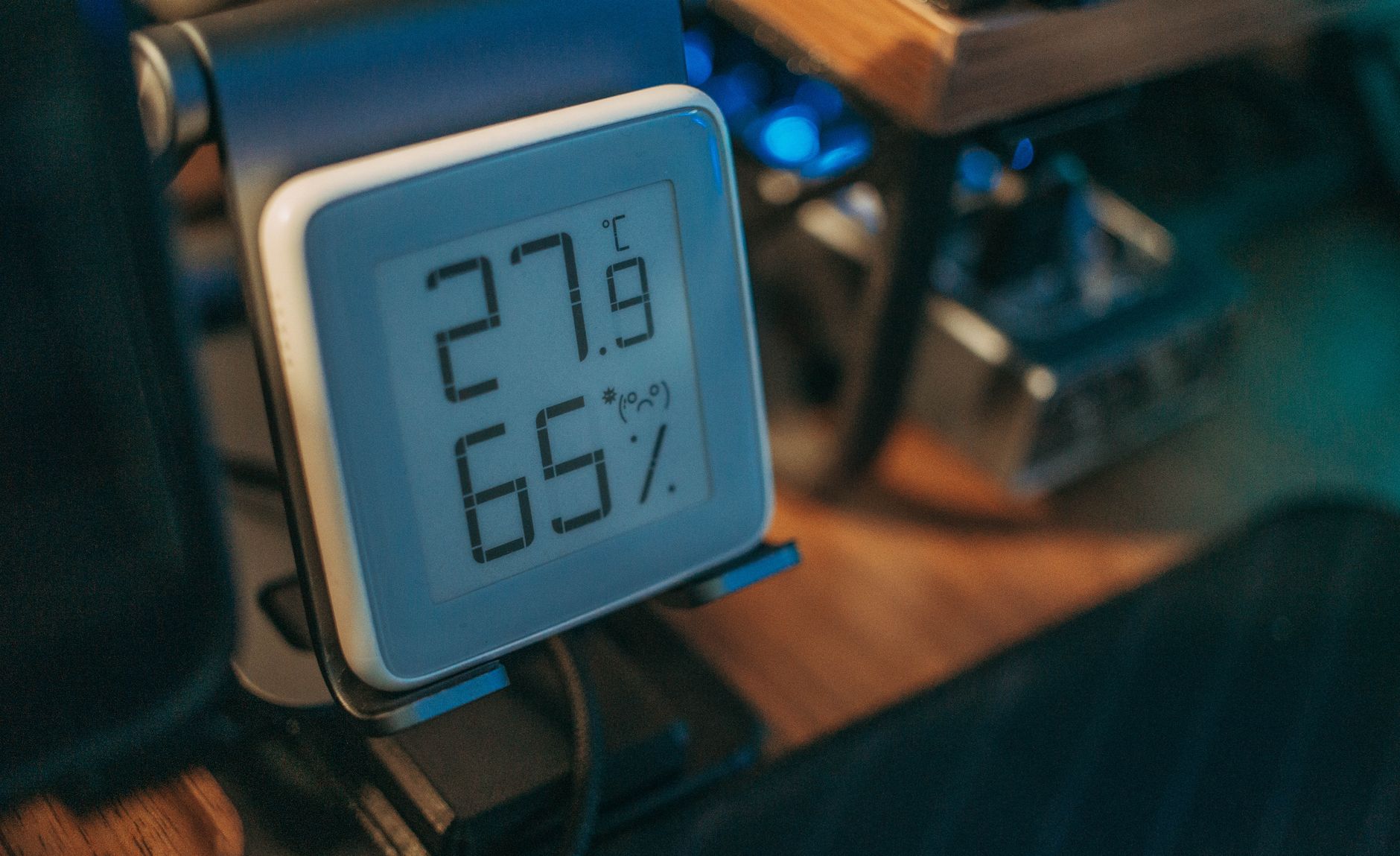
The temperature and humidity sensor is a groundbreaking smart home device that not only monitors climate conditions but also measures CO₂ levels, enhancing indoor air quality.
Introduction to Smart Home Sensors
As smart home technology continues to evolve, temperature and humidity sensors have become essential devices for maintaining optimal indoor environments. These sensors not only monitor temperature and humidity levels but also contribute to overall energy efficiency and comfort. The recent launch of a new temperature and humidity sensor by Xiaomi highlights the growing interest in these innovative devices.
Equipped with advanced features, the sensor can also measure CO₂ levels, providing users with comprehensive insights into their indoor air quality. This capability is particularly beneficial for households looking to create a healthier living space. By integrating such sensors into smart home systems, users can receive real-time data and alerts, allowing them to make informed decisions about their home environment.
Moreover, smart temperature and humidity sensors can automate HVAC systems, ensuring that the air quality and comfort levels are consistently maintained. The benefits of these devices extend beyond convenience; they can lead to significant energy savings and a healthier lifestyle. As more consumers embrace smart home technology, the demand for reliable temperature and humidity sensors is expected to grow.
Key Features of the New Sensor
The new temperature and humidity sensor from Xiaomi is designed to enhance the smart home experience, offering a range of features that cater to both comfort and safety. This innovative device is equipped with advanced technology to ensure accurate readings and seamless integration into existing smart home systems.
- High Precision Measurements: The sensor provides real-time data on temperature and humidity levels, ensuring that users can maintain optimal indoor conditions.
- CO₂ Level Detection: A standout feature is its ability to measure CO₂ levels, helping to improve air quality and alerting users to potential ventilation issues.
- Smart Connectivity: The device can be easily connected to various smart home platforms, allowing users to monitor and control their environment remotely through mobile applications.
- Compact Design: With a sleek design, the sensor can fit seamlessly into any room decor, making it an unobtrusive addition to the home.
- Alerts and Notifications: Users receive instant alerts when temperature or humidity levels fall outside predefined ranges, promoting proactive management of home conditions.
These features make the new temperature and humidity sensor a valuable tool for enhancing indoor living environments.
Benefits of Monitoring CO₂ Levels
Monitoring CO₂ levels is crucial for maintaining optimal air quality in indoor environments. The new temperature and humidity sensor from Xiaomi not only tracks humidity and temperature but also provides valuable insights into CO₂ concentration. Here are some key benefits of monitoring these levels:
- Improved Health: High CO₂ levels can lead to headaches, dizziness, and fatigue. By keeping a close eye on these levels, users can ensure a healthier living space.
- Enhanced Comfort: Maintaining appropriate humidity and temperature levels, alongside CO₂ monitoring, contributes to overall comfort. This can enhance productivity and relaxation at home.
- Energy Efficiency: By understanding air quality, homeowners can optimize ventilation systems. This leads to better energy use and potential cost savings on utilities.
- Smart Alerts: The sensor provides real-time alerts when CO₂ levels rise above safe thresholds, allowing users to take immediate action.
- Data-Driven Decisions: The integration of a temperature and humidity sensor with CO₂ monitoring allows users to make informed choices about their indoor environment.
Incorporating this technology can significantly enhance the quality of life in any home.
How to Integrate with Smart Home Systems
Integrating a temperature and humidity sensor into your smart home system can significantly enhance your living environment. Here are some steps to ensure a seamless integration:
- Choose a Compatible Hub: Ensure that your smart home hub supports the temperature and humidity sensor. Popular hubs like Amazon Echo or Google Nest are often compatible with a wide range of devices.
- Install the Sensor: Follow the manufacturer’s instructions for installation. Most sensors can be easily mounted or placed in ideal locations to accurately measure temperature and humidity levels.
- Connect to Wi-Fi: Make sure the sensor is connected to your home Wi-Fi network. This step is crucial for remote monitoring and alerts.
- Use the Companion App: Download the app associated with the temperature and humidity sensor. This app will allow you to monitor readings, receive notifications, and configure settings.
- Automate Your Home: Integrate the sensor with other smart devices. For instance, you can set your HVAC system to respond to humidity changes, ensuring optimal comfort.
By following these steps, you can fully utilize the benefits of your temperature and humidity sensor as part of a smart home ecosystem.
User Reviews and Feedback
User feedback on the new temperature and humidity sensor from Xiaomi has been overwhelmingly positive, highlighting its practicality and efficiency in everyday use. Many users appreciate its ability to deliver accurate readings, which helps them maintain optimal indoor conditions.
One user mentioned, “The sensor has transformed the way I manage my home environment. I can easily monitor both temperature and humidity levels from my smartphone, ensuring that my family is comfortable.”
Another reviewer praised the device’s integration with existing smart home systems, stating, “Setting up the temperature and humidity sensor took just a few minutes, and it works seamlessly with my other smart devices.”
Many also noted the added benefit of CO₂ level monitoring, which enhances air quality awareness. A satisfied customer shared, “Knowing the CO₂ levels in my home has made me more conscious about ventilation, improving our overall health.”
Overall, users find the sensor to be a valuable addition to their smart home setups, making it easier to achieve a balanced and healthy living environment.
Comparing with Other Sensors
When evaluating the temperature and humidity sensor in the market, it is essential to compare it with other types of sensors that contribute to smart home automation. Other common sensors include motion detectors, smoke detectors, and air quality monitors, each serving distinct purposes.
While motion detectors excel at security and surveillance, they do not provide any environmental data. Similarly, smoke detectors focus solely on fire safety but lack the capability to measure temperature and humidity. In contrast, a temperature and humidity sensor offers a comprehensive view of indoor conditions, allowing users to maintain optimal comfort and energy efficiency.
Another alternative is the air quality monitor, which typically focuses on pollutants and particulates. Although these devices provide valuable insights, they often do not measure temperature and humidity directly. The integration of a temperature and humidity sensor can enhance the functionality of air quality monitors by offering a complete picture of the indoor environment.
In summary, the unique capability of a temperature and humidity sensor to track multiple environmental factors makes it a valuable addition to any smart home system, setting it apart from other sensor types.
Conclusion: Is It Worth It?
In conclusion, the temperature and humidity sensor from Xiaomi stands out as a valuable addition to any smart home setup. Its ability to monitor not only temperature and humidity but also CO₂ levels offers a comprehensive approach to maintaining a healthy living environment. As we have seen, the integration of this device with existing smart home systems is seamless, enhancing user convenience and control.
The benefits derived from such monitoring are substantial. By keeping track of indoor air quality, users can make informed decisions about ventilation and comfort, leading to improved overall well-being. Additionally, the user reviews highlight satisfaction with the sensor’s accuracy and ease of use, further reinforcing its appeal.
When comparing this sensor to other options in the market, its unique features and reliable performance make it a worthwhile investment. While there are cheaper alternatives, the added functionality of CO₂ detection positions it as a smart choice for health-conscious consumers.
- Improved air quality monitoring
- Seamless smart home integration
- Positive user feedback
Ultimately, for those invested in smart home technology, the Xiaomi temperature and humidity sensor proves to be a worthwhile device.
Photo by FOX ^.ᆽ.^= ∫ on Pexels
References
Related reading
Apple launch event: What’s the Best New Product to Expect? · Apple October product launches: Smart reveal of new Macs · India Infrastructure Project Investability: A Clear Challenge