

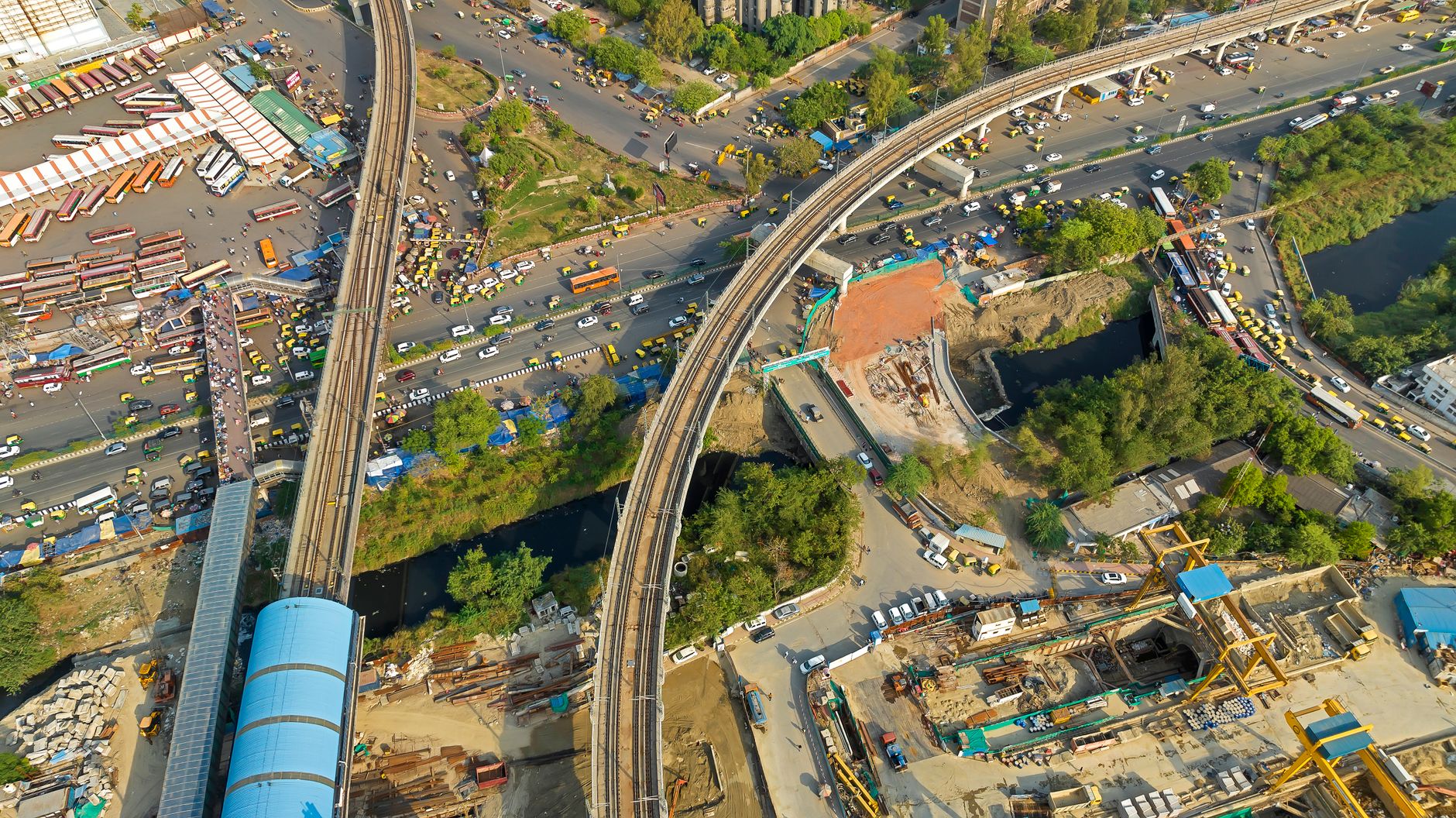
India infrastructure project investability is becoming a pivotal focus as the nation addresses its growing infrastructure challenges. The shift from capital to project viability is essential for future development.
Understanding India’s Infrastructure Landscape
India’s infrastructure landscape is undergoing significant transformation, presenting both opportunities and challenges for investors. The country’s rapid urbanization and population growth have created an urgent need for robust infrastructure development. However, the shift from merely securing capital to enhancing project investability is crucial.
Investors are increasingly scrutinizing various factors that influence the viability of infrastructure projects. Key considerations include:
- Regulatory Environment: A stable and transparent regulatory framework is essential for fostering investor confidence.
- Project Execution: The ability to effectively execute projects on time and within budget can significantly impact investability.
- Public-Private Partnerships: Collaborations between government and private entities can enhance resource allocation and risk-sharing.
- Financial Structuring: Innovative financing solutions can address funding gaps and attract more investment.
Addressing these factors will be critical for improving India’s infrastructure project investability, ensuring that both public needs and investor expectations are met.
The Shift in Focus to Project Viability
The landscape of infrastructure investment in India is undergoing a significant transformation as stakeholders begin to prioritize project viability over the mere availability of capital. This shift is essential for ensuring that projects not only attract funding but also deliver sustainable results.
Key factors influencing this change include:
- Economic Sustainability: Projects must demonstrate long-term financial viability to attract both domestic and foreign investors.
- Regulatory Framework: A robust regulatory environment is crucial for enhancing the predictability and transparency of infrastructure projects.
- Technological Integration: Embracing innovative technologies can improve efficiency and reduce costs, making projects more appealing.
- Public-Private Partnerships: Collaborations between government and private sector entities can drive investment and facilitate better project execution.
As India focuses on the investability of its infrastructure projects, ensuring that they are viable is paramount for attracting the necessary investment to drive growth and development.
Key Factors Influencing Investability
The investability of infrastructure projects in India is influenced by several key factors that play a critical role in shaping investor confidence and project success.
- Regulatory Environment: A stable and transparent regulatory framework is essential for attracting investment. Investors seek clarity in policies and guidelines to mitigate risks associated with project execution.
- Financial Viability: The financial health of projects is paramount. Analyzing revenue models, funding sources, and potential returns is crucial for establishing trust among investors.
- Public-Private Partnerships (PPPs): Effective collaboration between the public and private sectors can enhance project feasibility. PPPs can leverage resources and expertise, making projects more attractive for investment.
- Infrastructure Quality: The current state and future maintenance of infrastructure facilities are vital. High-quality infrastructure reduces operational disruptions, thereby increasing the overall investability of projects.
- Market Demand: A thorough assessment of market needs helps investors gauge the potential for project uptake and sustainability.
These factors collectively determine the investability of infrastructure projects in India, shaping the future landscape of the sector.
Government Policies Supporting Infrastructure Growth
The Indian government has recognized the pivotal role of supportive policies in enhancing infrastructure project investability. Recent initiatives aim to streamline processes and attract foreign investments, addressing challenges that have historically hindered growth.
Key policies include:
- National Infrastructure Pipeline (NIP): Launched to drive investment across various sectors, the NIP outlines prioritized projects and funding mechanisms.
- Public-Private Partnerships (PPP): The government is promoting PPP models to share risks and enhance efficiency, making projects more appealing to private investors.
- Single-Window Clearance Systems: These systems aim to simplify regulatory approvals, reducing bureaucratic delays that can deter investment.
- Financial Incentives: Various tax benefits and subsidies are being offered to encourage investment in infrastructure development.
These policies are crucial as they not only enhance the overall climate for investment but also align with India’s goal of transforming its infrastructure landscape into a more viable option for investors.
Challenges Facing Infrastructure Development
Despite significant progress in recent years, several challenges continue to hinder the investability of infrastructure projects in India. These challenges can create barriers for both domestic and foreign investors looking to capitalize on the growing opportunities in the sector.
- Regulatory Hurdles: Complex regulations and lengthy approval processes often delay project implementation, discouraging potential investors.
- Funding Gaps: While government initiatives have improved, many projects still struggle to secure adequate financing, which affects their overall viability.
- Land Acquisition Issues: Obtaining land for infrastructure projects remains a contentious issue, leading to disputes and further delays.
- Quality of Project Planning: Insufficient feasibility studies and poor project planning can lead to cost overruns and project failures, diminishing investor confidence.
Addressing these challenges is essential for enhancing India’s infrastructure project investability and ensuring sustainable growth in the sector.
Future Prospects for India’s Infrastructure Projects
As India aims to enhance its infrastructure capabilities, the future prospects for infrastructure projects appear promising yet complex. A critical aspect of this evolution is the emphasis on investability. Investors are increasingly assessing the viability of projects not merely on the amount of capital required but on long-term sustainability and returns.
Several factors are likely to shape the future of infrastructure in India:
- Technological Advancements: Innovations in construction and project management can lead to increased efficiency and reduced costs.
- Public-Private Partnerships: Collaborations between the government and private sector can help mitigate risks and enhance investment appeal.
- Regulatory Reforms: Streamlining regulations and improving transparency can boost investor confidence.
- Focus on Sustainability: Projects that prioritize environmental and social governance are becoming increasingly attractive to investors.
In conclusion, while the challenges are evident, India’s commitment to improving infrastructure project investability may pave the way for significant advancements in the sector.
The recent assessments highlight several factors that affect India infrastructure project investability. Investors are increasingly cautious, seeking clarity on the long-term viability and sustainability of India infrastructure project investability.
Photo by Anil Sharma on Pexels
Read the original
You might also like
Is the Smart Home Launch Worth the Hype? Proven Insights · Gujarat solar project: The Best Proven Energy Solution · Grand Hyatt İzmir: The Best New Hotel Experience in Türkiye