
Gujarat solar project marks a significant milestone as Oriano Clean Energy begins construction on a 420 MWp solar initiative for a global steel conglomerate’s captive consumption.
Overview of the Gujarat Solar Project
The Gujarat solar project is set to become a significant milestone in renewable energy development in India. Recently, Oriano Clean Energy announced the commencement of construction on a 420 MWp solar project designed for a global steel conglomerate. This initiative aims to cater to the captive energy needs of the conglomerate, emphasizing the growing reliance on sustainable energy sources in industrial operations.
The project is part of a broader strategy to enhance energy efficiency and reduce carbon footprints across various sectors. With Gujarat’s abundant sunlight, the region is well-positioned to harness solar energy effectively. The solar project not only contributes to the energy requirements of the steel industry but also aligns with national goals for increased renewable energy adoption.
Key features of the Gujarat solar project include:
- Capacity: 420 MWp, significantly boosting local energy supply.
- Environmental Impact: Reduction in greenhouse gas emissions.
- Job Creation: Opportunities for local employment during construction and operation.
This project exemplifies how the Gujarat solar project can serve as a model for future renewable energy initiatives in India.
Impact on Renewable Energy in India
The recent developments in the Gujarat solar project are set to have a significant impact on the renewable energy landscape in India. As the country strives to meet its ambitious climate goals, initiatives like this one play a crucial role in advancing clean energy solutions.
Firstly, the project is expected to enhance the capacity of solar energy production in Gujarat, which is already a leader in solar installations. This expansion supports the Indian government’s commitment to achieving 450 GW of renewable energy capacity by 2030.
Moreover, the Gujarat solar project will contribute to job creation in the region. With construction activities underway, local communities are likely to see an influx of employment opportunities, which can help stimulate economic growth.
Additionally, by providing energy for captive consumption of a global steel conglomerate, the project demonstrates the viability of solar energy in meeting industrial demands. This shift towards renewable sources can reduce reliance on fossil fuels, leading to lower carbon emissions.
In summary, the Gujarat solar project not only bolsters India’s renewable energy capacity but also paves the way for sustainable industrial practices.
Benefits for the Steel Industry
The Gujarat solar project presents numerous advantages for the steel industry, particularly in terms of sustainability and cost-effectiveness. By utilizing solar energy, steel manufacturers can significantly reduce their reliance on fossil fuels, leading to a decrease in carbon emissions and promoting a greener manufacturing process.
Key benefits for the steel industry include:
- Cost Savings: Solar energy provides a more stable and potentially lower cost of electricity over time, which can help steel companies manage their operational expenses more effectively.
- Energy Independence: The project allows steel manufacturers to generate their own power, reducing dependence on external energy sources and insulating them against market fluctuations.
- Improved Public Image: Companies investing in renewable energy initiatives like the Gujarat solar project can enhance their reputation as environmentally responsible entities, appealing to eco-conscious consumers and investors.
- Regulatory Compliance: As governments increasingly push for sustainable practices, adopting solar energy can help steel companies meet regulatory requirements and avoid potential penalties.
Overall, the Gujarat solar project not only supports the industry’s transition to cleaner energy but also strengthens its economic viability in a competitive market.
Timeline for Project Completion
The timeline for the completion of the Gujarat solar project has been meticulously planned to ensure efficient execution and timely delivery. The project, initiated by Oriano Clean Energy, is expected to unfold in several key phases:
- Phase 1 – Groundbreaking Ceremony: The groundbreaking ceremony marks the official start of construction, scheduled for January 2024.
- Phase 2 – Construction of Solar Panels: The installation of solar panels will begin in April 2024, with a target to complete this phase by December 2024.
- Phase 3 – Grid Connection: In early 2025, the solar project will undergo testing and connection to the grid, facilitating energy distribution.
- Phase 4 – Project Completion: The entire project is anticipated to reach full operational capacity by mid-2025, providing sustainable energy solutions.
This timeline not only reflects the commitment to renewable energy but also highlights the strategic vision of integrating the Gujarat solar project into the broader goals of reducing carbon emissions and fostering a greener future for industrial usage.
Future of Solar Energy in Infrastructure
The future of solar energy in infrastructure looks promising, particularly with initiatives like the Gujarat solar project. This project not only strengthens the state’s renewable energy capacity but also sets a precedent for future developments across the country.
As cities continue to grow, the demand for sustainable energy solutions is becoming increasingly critical. The integration of solar energy into various infrastructures can lead to significant reductions in carbon emissions and energy costs. Key aspects contributing to the positive outlook include:
- Technological Advancements: Ongoing innovations in solar technology enhance efficiency and reduce costs.
- Government Support: Policies and incentives aimed at promoting renewable energy adoption strengthen the sector.
- Public Awareness: Growing awareness about climate change drives demand for sustainable infrastructure solutions.
The Gujarat solar project serves as a model for how large-scale solar initiatives can be effectively deployed to meet both local and global energy demands. As more projects follow suit, the infrastructure sector is poised to evolve, embracing cleaner and more efficient energy sources.
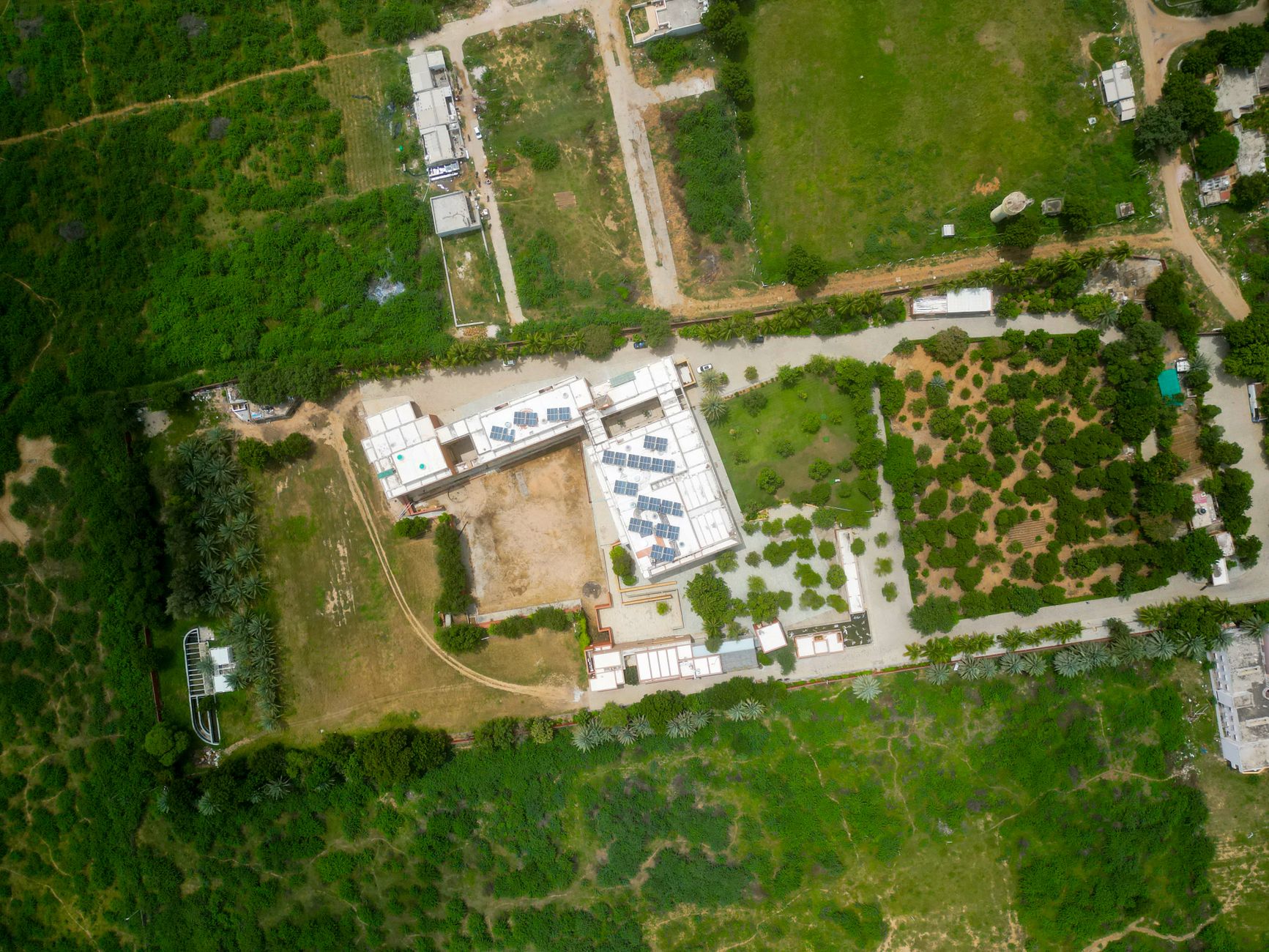
Photo by Synchronize Soft Tech on Pexels
Where this came from
Related stories
Grand Hyatt İzmir: The Best New Hotel Experience in Türkiye · Samsung Cassette AC: The Best Smart Cooling Solution · Bangalore High Rent: The Real Cost of Living in the City