

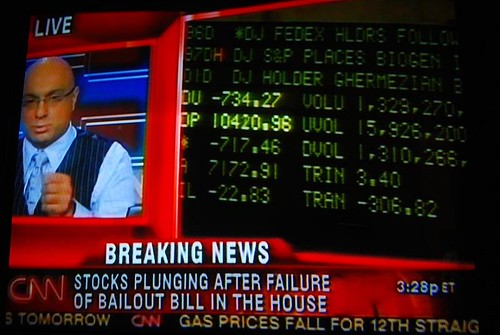
House prices trouble is becoming a significant concern for many potential homeowners. As market dynamics shift, understanding the underlying causes is crucial for making informed decisions.
Current Trends in House Prices
Recent data indicates a concerning trend in the housing market, as house prices trouble many potential buyers and sellers alike. Analysts report a steady decline in prices across various regions, leading to speculation about the future of homeownership.
Several factors contribute to this downward trend:
- Rising interest rates: Higher borrowing costs have made mortgages less affordable, pushing many buyers out of the market.
- Economic uncertainty: Concerns over inflation and job stability have led to decreased consumer confidence, impacting purchasing decisions.
- Increased housing supply: A surge in new constructions has outpaced demand, resulting in an oversaturated market.
As these trends continue, homeowners may find it increasingly challenging to sell their properties at desired prices. Potential buyers, on the other hand, might seize the opportunity to negotiate better deals in this shifting landscape.
Economic Factors Influencing Real Estate
The current decline in house prices can be attributed to a combination of economic factors that are reshaping the real estate market. Understanding these influences is crucial for buyers and sellers alike.
- Interest Rates: Rising interest rates have significantly impacted borrowing costs, making mortgages less affordable for many potential buyers.
- Inflation: Persistent inflation has eroded purchasing power, causing consumers to reconsider large investments like homes.
- Supply Chain Issues: Ongoing supply chain disruptions have led to increased construction costs, slowing down new housing developments.
- Consumer Confidence: A dip in consumer confidence can result in decreased demand for homes, further exacerbating the house prices trouble.
As these factors continue to evolve, the outlook for the real estate market remains uncertain. Buyers and investors must stay informed about these dynamics to navigate the challenges ahead.
Impact of Interest Rates on Housing
The recent decline in house prices has raised concerns among potential buyers and investors alike. A significant factor contributing to this trend is the fluctuation of interest rates. As rates increase, the cost of borrowing rises, making mortgages less affordable for many.
Higher interest rates can lead to a decrease in demand for homes, as potential buyers may be discouraged by the higher monthly payments. This drop in demand can result in sellers lowering their prices to attract buyers, further contributing to the observed house prices trouble.
Additionally, the economic landscape is impacted by rising interest rates, which can slow down overall economic growth. This slowdown can lead to increased unemployment and reduced consumer spending, creating a vicious cycle that affects the housing market.
To summarize, the interplay between interest rates and housing affordability plays a crucial role in shaping house prices. Buyers and sellers must stay informed about these changes to navigate the evolving real estate landscape effectively.
Regional Variations in Property Values
In recent months, regional variations in property values have become increasingly pronounced, contributing to the broader narrative of house prices trouble. Different markets are experiencing distinct trends, often influenced by local economic conditions and demographic shifts.
Several regions are witnessing significant declines, while others remain relatively stable. Key factors affecting these variations include:
- Job Growth: Areas with robust job creation are less likely to see drastic decreases in house prices.
- Population Movement: Urban centers often face declining values as residents migrate to suburban and rural areas in search of affordability.
- Local Policies: Zoning laws and development regulations can either support or hinder property value stability.
As market dynamics evolve, it is essential for potential buyers and investors to consider these regional differences when evaluating the housing landscape. Understanding these factors can provide insights into the ongoing house prices trouble many are facing today.
Experts Weigh In on Market Outlook
As house prices trouble continues to dominate headlines, experts from various sectors weigh in on the market outlook. Many analysts believe that the current decline is influenced by multiple interconnected factors.
- Supply Chain Disruptions: Ongoing issues in the supply chain have led to delays in construction and renovation projects, which in turn affects housing availability.
- Job Market Uncertainty: With fluctuating employment rates, potential buyers are hesitant, impacting demand and further contributing to the declining prices.
- Inflationary Pressures: Rising costs of living are squeezing household budgets, making it difficult for many to afford new homes.
- Investor Sentiment: A cautious approach among real estate investors has also been noted, as many are waiting to see how the market settles before making new investments.
These insights indicate that the challenges facing the housing market are complex and multifaceted, suggesting that recovery may take time.
Strategies for Home Buyers
As house prices trouble many prospective buyers, it is essential to adopt effective strategies to navigate the current market challenges. Here are some key approaches for home buyers to consider:
- Research Thoroughly: Conduct extensive research on local markets to identify areas with more stable pricing. Understanding neighborhood trends can help buyers find better deals.
- Get Pre-Approved: Securing a mortgage pre-approval can strengthen a buyer’s position, enabling quicker action when a suitable property becomes available.
- Be Flexible: Buyers may need to adjust their expectations regarding property size or location to find affordable options amidst declining prices.
- Consider Fixer-Uppers: Properties that require some renovation often come at a lower price, offering potential for long-term value appreciation.
- Consult Real Estate Experts: Engaging with real estate professionals can provide insights into market dynamics and help buyers make informed decisions.
By implementing these strategies, home buyers can better position themselves in a fluctuating real estate landscape.
What Sellers Should Know
As house prices trouble continues to dominate headlines, sellers must navigate a shifting landscape with caution. Understanding the market dynamics is crucial for making informed decisions.
Here are key considerations for sellers:
- Pricing Strategy: It’s essential to set a competitive price that reflects current market conditions. Overpricing can lead to extended time on the market, ultimately affecting sale prospects.
- Property Condition: Homes in excellent condition tend to attract more buyers. Sellers should consider making necessary repairs or enhancements to boost appeal.
- Timing: The time of year can impact buyer interest. Spring and summer often see increased activity, while winter may present challenges.
- Market Research: Staying informed about local trends and comparable sales can provide valuable insights into the right approach for selling.
In this evolving market, sellers who remain adaptable and well-informed will have a better chance of achieving favorable outcomes despite the ongoing challenges in house prices.
Future Predictions for House Prices
As we look ahead, predictions regarding house prices trouble indicate a complex landscape for potential buyers and sellers alike. Experts suggest that while some regions may experience stabilization, others could see continued declines influenced by various factors.
Key predictions include:
- Increased Inventory: With more homes entering the market, supply may outpace demand, further driving prices down.
- Economic Uncertainty: Factors such as inflation and job market fluctuations could impact buyer confidence, leading to reduced spending on real estate.
- Changing Buyer Preferences: The shift towards remote work may encourage buyers to seek properties in less urbanized areas, affecting city prices negatively.
- Regulatory Changes: Potential changes in housing policy could alter the dynamics of the market, impacting both buyers and sellers.
In summary, while some areas may show resilience, overall trends suggest that house prices trouble is likely to persist as we move into the coming years.
Many experts believe that the current house prices trouble is primarily driven by rising interest rates and economic uncertainty. Additionally, a surge in housing supply has exacerbated the house prices trouble, leading to a significant slowdown in sales.
By faungg’s photos via Openverse
Read the original
You might also like
My Auxiliary WiFi: The Best Smart Solution for Connectivity · Ray-Ban Meta Gen 3: The Best Smart Glasses You Need · Xiaomi Watch S5: The Best Smartwatch with Proven Features