

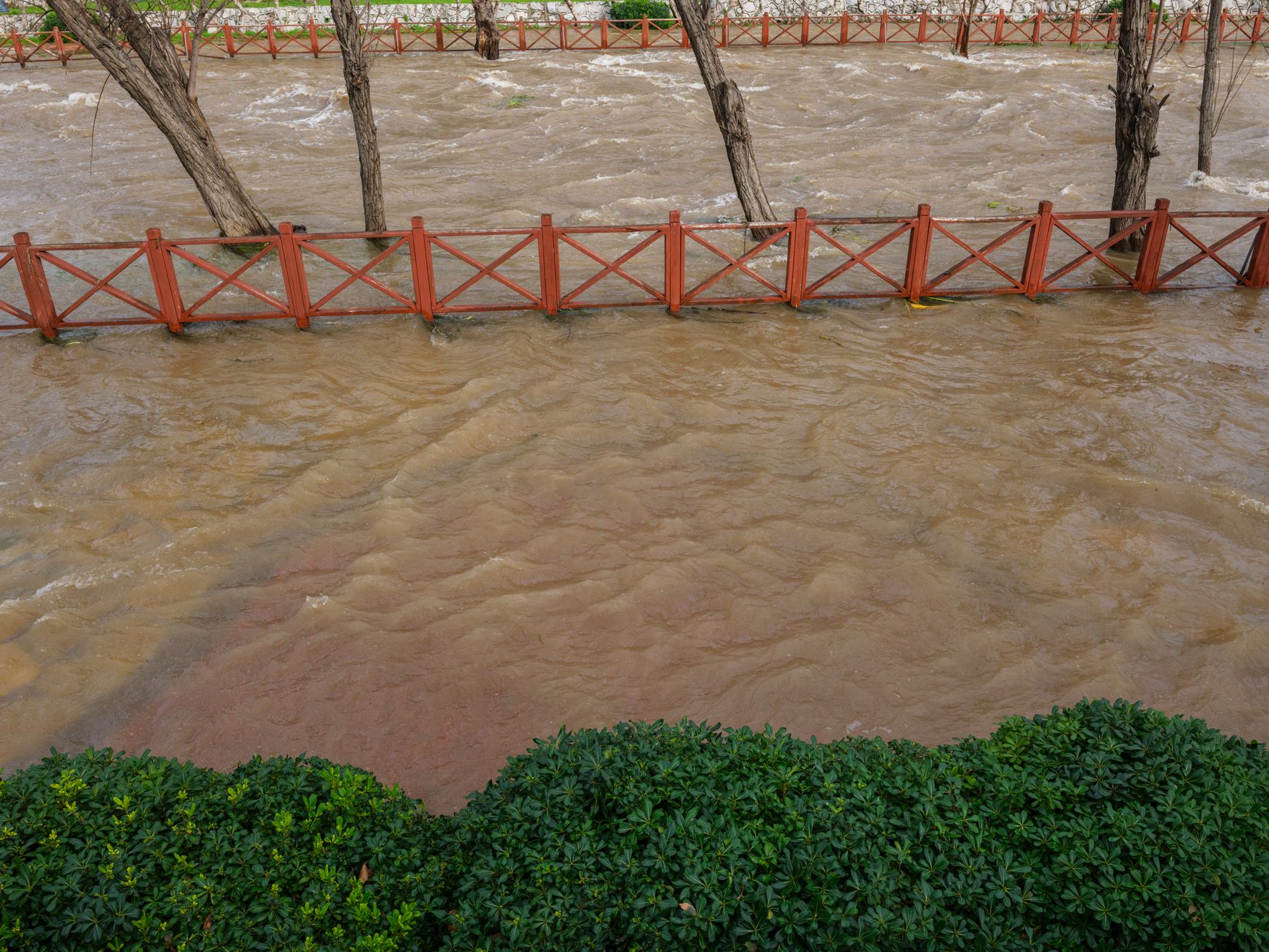
Flood erosion control projects are being launched in Bauchi, Gombe, and Jigawa to address pressing environmental challenges. These initiatives represent a significant investment aimed at safeguarding local communities from the impacts of flooding and erosion.
Overview of the Flood Erosion Control Projects
The recent launch of flood erosion control projects in Bauchi, Gombe, and Jigawa marks a significant investment of N35 billion aimed at combating the devastating effects of flooding and soil erosion in these regions. These initiatives are part of a broader strategy to enhance environmental sustainability and protect communities from the increasing threats posed by climate change.
The projects will focus on various critical areas, including:
- Infrastructure Development: Strengthening drainage systems and constructing retention basins to manage excess water.
- Soil Conservation: Implementing measures to prevent soil degradation and promote healthy land use practices.
- Community Engagement: Involving local populations in planning and executing flood erosion control measures to ensure sustainability.
Local governments have emphasized the importance of these flood erosion control projects, highlighting their potential to reduce the risk of disasters that can displace families and damage agricultural lands. By addressing both immediate and long-term needs, the projects aim to foster resilience among vulnerable populations.
As these initiatives unfold, stakeholders are optimistic about the positive impact on livelihoods and the environment. The commitment of N35 billion showcases the urgency and seriousness of tackling flood and erosion challenges, ultimately contributing to a safer and more secure future for affected communities.
Impact on Local Communities
The recent launch of flood erosion control projects in Bauchi, Gombe, and Jigawa has generated significant excitement among local communities. Residents are hopeful that the N35 billion investment will lead to long-term benefits, particularly as these areas are prone to severe flooding and erosion.
One of the primary impacts of these projects is the enhancement of local infrastructure. Improved drainage systems and the construction of embankments are expected to reduce water accumulation during heavy rains, thereby minimizing damage to homes and businesses. This infrastructure upgrade not only safeguards properties but also boosts local economies by encouraging investment in the region.
Moreover, the flood erosion control projects aim to promote agricultural stability. Farmers in the area have faced challenges due to soil erosion, which diminishes arable land. With improved water management, crop yields are anticipated to increase, contributing to food security and better livelihoods for farmers.
Community members have expressed optimism regarding job creation linked to these projects. As construction progresses, local laborers are likely to find employment opportunities, further stimulating economic activity. The engagement of local contractors will also ensure that the benefits of this substantial investment remain within the communities.
In summary, the flood erosion control projects represent a proactive approach to addressing environmental challenges, fostering resilience, and enhancing the quality of life for residents in the affected regions.
Funding Sources and Allocation
The successful implementation of the flood erosion control projects in Bauchi, Gombe, and Jigawa is attributed to a diverse range of funding sources and strategic allocation of resources. The total investment of N35 billion is a collaborative effort involving multiple stakeholders, ensuring that the projects are well-supported financially.
Key funding sources for these initiatives include:
- Government Grants: The federal and state governments have allocated significant portions of their budgets to tackle the pressing issue of flood and erosion.
- International Aid: Various international organizations have provided grants aimed at environmental sustainability and disaster management.
- Public-Private Partnerships: Collaborations between government bodies and private enterprises have been crucial in mobilizing additional resources.
Additionally, the allocation of funds has been meticulously planned to ensure optimal impact. The budget breakdown includes:
- Infrastructure Development: A significant portion is dedicated to constructing and upgrading drainage systems.
- Community Engagement: Funds are also earmarked for educational programs to raise awareness of flood risks and erosion control measures.
- Monitoring and Evaluation: A portion is allocated for ongoing assessment to ensure the effectiveness of these flood erosion control projects.
This structured approach to funding and allocation not only supports immediate needs but also promotes long-term resilience in flood-prone areas.
Government Initiatives in Environmental Protection
The government has taken significant steps to address environmental challenges through various initiatives aimed at mitigating the adverse effects of flooding and erosion. These measures are part of a broader strategy to safeguard communities and promote sustainable practices across affected regions.
Among the notable projects are comprehensive flood erosion control projects that have been launched in states like Bauchi, Gombe, and Jigawa, with a total investment of N35 billion. This funding reflects a strong commitment to environmental protection and disaster management.
The initiatives focus on several key objectives:
- Infrastructure Development: Building and upgrading drainage systems to effectively manage stormwater and reduce flooding risks.
- Community Engagement: Involving local populations in planning and executing projects, ensuring their needs and insights are considered.
- Environmental Restoration: Implementing reforestation and soil conservation practices to stabilize land and prevent erosion.
- Education and Awareness: Conducting workshops and outreach programs to inform communities about the importance of sustainable environmental practices.
These flood erosion control projects not only aim to protect vulnerable areas but also enhance the resilience of communities, ultimately fostering a culture of environmental stewardship. The government’s proactive measures underscore the need for continued investment in environmental protection to ensure long-term sustainability.
Challenges Faced in Implementation
The implementation of the flood erosion control projects has not been without its challenges, which have hindered progress and affected overall effectiveness. Key issues include:
- Funding Delays: Although the N35bn investment has been allocated, disbursement delays have created gaps in project timelines, leading to stalled work and increased costs.
- Community Resistance: Some local communities have expressed concerns regarding the projects, fearing that they may disrupt their livelihoods or lead to further environmental degradation.
- Technical Challenges: The complexity of flood erosion control requires advanced engineering solutions, which can be difficult to implement in rugged terrains or densely populated areas.
- Climate Variability: Unpredictable weather patterns have complicated the planning and execution of these projects, necessitating frequent adjustments to strategies and designs.
- Lack of Awareness: There is a need for greater public awareness regarding the benefits of flood erosion control projects, as misconceptions can lead to community pushback and reduced collaboration.
Despite these challenges, stakeholders remain committed to overcoming obstacles in order to ensure the successful implementation of flood erosion control projects, recognizing their critical role in safeguarding the environment and enhancing community resilience.
Future Prospects for Flood Management
The future of flood management in Nigeria appears promising, particularly with the recent launch of the N35bn flood erosion control projects in Bauchi, Gombe, and Jigawa. These initiatives not only aim to mitigate the impact of flooding but also enhance the resilience of local communities against future environmental challenges.
As climate change continues to pose significant threats, investing in effective flood erosion control projects becomes increasingly critical. Stakeholders are optimistic that ongoing and future efforts will lead to improved infrastructure, better land management practices, and enhanced community engagement in flood prevention strategies.
Furthermore, the integration of technology and innovative solutions stands to revolutionize flood management practices. Local governments are encouraged to adopt advanced monitoring systems that can predict flooding events and enable timely interventions. Additionally, partnerships with environmental organizations will facilitate knowledge sharing and the implementation of best practices.
Public awareness and education will play a pivotal role in the success of these projects. Community workshops and outreach programs are essential to equip residents with the necessary skills and knowledge to adapt to changing environmental conditions.
In summary, the commitment to flood erosion control projects signifies a proactive approach to environmental management, ensuring that communities are not only protected from current threats but are also prepared for the challenges of tomorrow.
Community Involvement in Projects
The success of flood erosion control projects heavily relies on community involvement. Local residents play a crucial role in both the planning and implementation phases, ensuring that the initiatives are tailored to the specific needs of their areas.
Engaging the community fosters a sense of ownership and responsibility towards the projects. Residents are encouraged to participate in workshops and meetings where they can voice their concerns and suggestions. This two-way communication not only empowers the community but also enhances the effectiveness of the flood erosion control projects.
Additionally, local volunteers often assist in the execution of various tasks, from planting vegetation to constructing barriers. This hands-on participation not only helps in resource allocation but also promotes environmental stewardship among residents. The involvement of local organizations and youth groups has also been instrumental in raising awareness about the importance of flood management and erosion control.
Furthermore, the collaboration between government agencies and community members has led to innovative solutions tailored to local challenges. With collective efforts, communities can identify the most vulnerable areas and prioritize actions that yield significant benefits. As a result, these flood erosion control projects not only address immediate threats but also contribute to long-term environmental sustainability.
Ultimately, the partnership between communities and government entities ensures that these vital projects are effectively implemented, fostering resilience against the impacts of flooding and erosion.
Comparative Analysis with Other Regions
In a comparative analysis of flood erosion control projects across various regions, it becomes evident that the N35bn investment in Bauchi, Gombe, and Jigawa stands out for its scale and strategic approach. Other regions, while also addressing erosion and flooding, often lack the comprehensive funding and multi-faceted strategies seen in this initiative.
For instance, the southern coastal areas have implemented smaller-scale projects that primarily focus on immediate relief rather than long-term sustainability. While these areas have experienced significant flooding, the response has been fragmented and reactive.
In contrast, the northern investment not only aims to mitigate current erosion issues but also prioritizes preventative measures. Some key differences include:
- Funding Levels: Other regions generally allocate less than half of what is invested in the N35bn project, leading to limited resources for extensive implementation.
- Community Engagement: The Bauchi, Gombe, and Jigawa projects emphasize local involvement, fostering a sense of ownership and ensuring that solutions are tailored to community needs.
- Innovative Techniques: The integration of sustainable methods in these projects contrasts with the traditional approaches employed elsewhere, reflecting a forward-thinking stance on environmental management.
Ultimately, the success of the N35bn flood erosion control projects may offer a new model for other regions grappling with similar challenges.
Photo by Engin Akyurt on Pexels