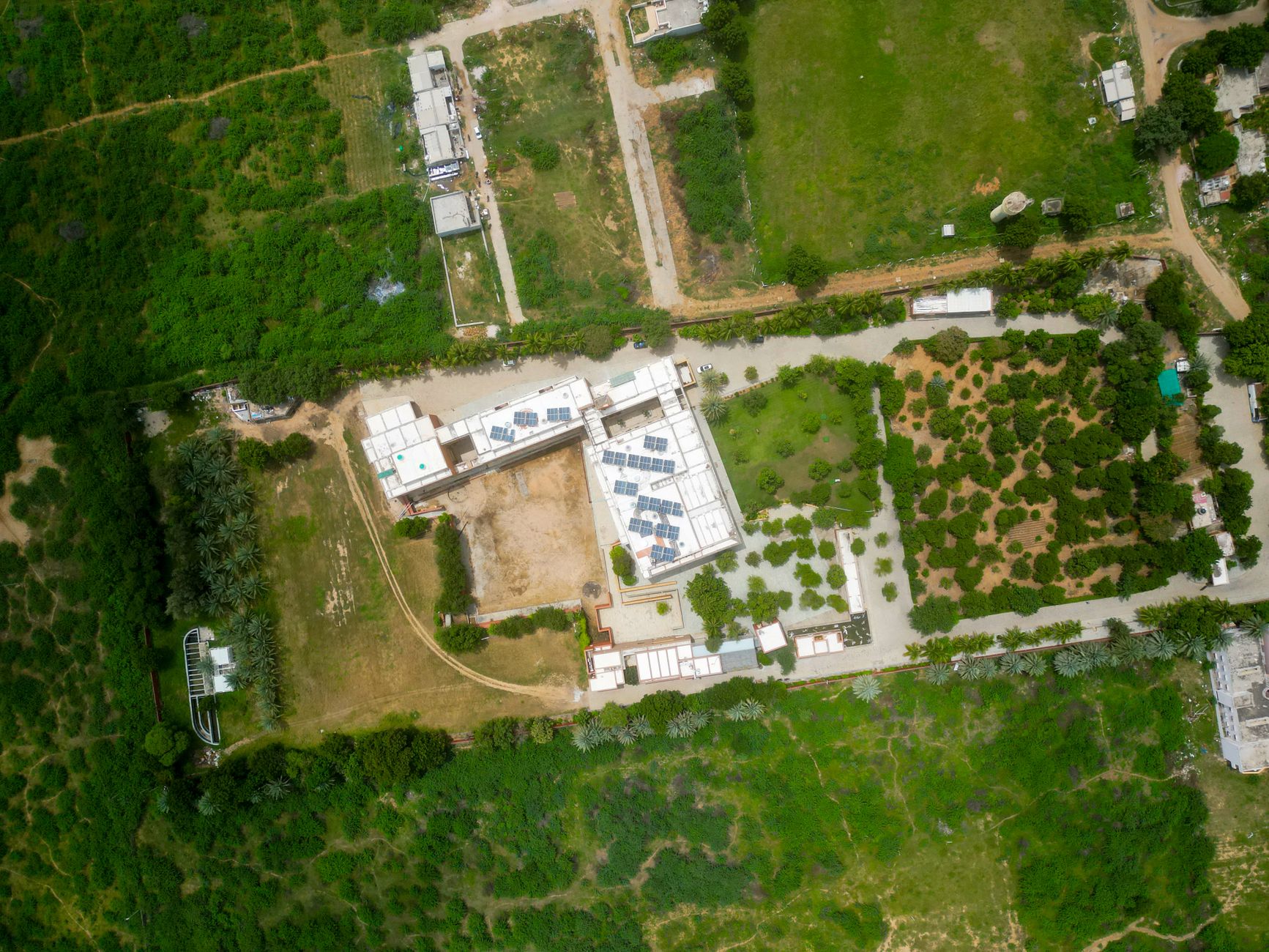

Central Asia infrastructure projects are at the forefront of regional development as the biggest state makes a renewed push for innovative AI solutions and infrastructure enhancements.
Overview of Central Asia’s Infrastructure
Central Asia has emerged as a focal point for significant infrastructure development, aiming to enhance regional connectivity and economic growth. With a diverse landscape and rich resources, the region is poised to leverage its geographical advantages by investing in strategic infrastructure projects.
Countries in Central Asia are increasingly recognizing the importance of developing robust infrastructure to support trade, transportation, and technology integration. Key initiatives include:
- Transportation Corridors: Major roads and railways are being constructed to facilitate smoother logistics and reduce transit times across borders.
- Energy Projects: Investment in renewable energy sources, alongside traditional energy infrastructure, aims to meet growing demands and promote sustainability.
- Digital Infrastructure: As part of broader initiatives, the region is striving to enhance digital connectivity, promoting e-governance and tech-based solutions.
Moreover, Central Asia’s infrastructure projects are increasingly supported by international partnerships and funding, leading to a more resilient economic framework. Strategic collaborations with global entities not only bring financial resources but also drive innovation and best practices in project implementation.
As Central Asia continues to push forward with its infrastructure ambitions, the region stands at the forefront of modernization that has the potential to transform its economic landscape and bolster regional cooperation.
Recent AI Initiatives
In recent months, Central Asia has seen a surge in artificial intelligence initiatives aimed at enhancing infrastructure projects across the region. Governments are recognizing the potential of AI to streamline operations, optimize resource allocation, and improve overall efficiency in various sectors.
One notable initiative involves the integration of AI technologies in urban planning and transportation management. By utilizing predictive analytics, cities are better equipped to manage traffic flow and reduce congestion. This is particularly important in rapidly growing urban areas, where the demand for efficient public transport systems is on the rise.
Moreover, AI-driven data analytics are being employed to monitor the condition of existing infrastructure, allowing for timely maintenance and repair. This proactive approach not only extends the lifespan of assets but also ensures the safety and reliability of transportation networks.
Several countries in Central Asia are collaborating with tech firms to develop smart infrastructure solutions. Kazakhstan and Uzbekistan have launched pilot projects that incorporate AI to enhance logistics and supply chain management, demonstrating the potential for increased trade efficiency.
As these AI initiatives progress, they are expected to play a crucial role in shaping the future landscape of Central Asia’s infrastructure projects. By leveraging advanced technologies, these countries aim to build resilient and sustainable systems that can accommodate their growing economic needs.
Investment Opportunities in Infrastructure
Central Asia is witnessing a surge in investment opportunities in infrastructure projects, driven by the region’s strategic location and the increasing demand for connectivity and modernization. Governments in countries such as Kazakhstan, Uzbekistan, and Kyrgyzstan are actively seeking foreign investment to enhance their infrastructure networks.
One of the key areas of focus is the development of transportation corridors that facilitate trade and improve access to markets. The implementation of the Central Asia infrastructure projects aligns with the broader objectives of initiatives like the Belt and Road Initiative, which aims to create a seamless trade passage between Asia and Europe.
- Road and Rail Networks: There is a significant need for upgrading and expanding existing road and rail networks to boost regional connectivity.
- Energy Infrastructure: Investment in renewable energy sources is vital to meet the growing energy demands and enhance sustainability.
- Digital Infrastructure: The rise of technology-driven solutions necessitates enhanced digital infrastructure to support smart city initiatives.
Moreover, public-private partnerships are becoming increasingly popular as a means to attract investment and share risks. By leveraging international expertise and funding, Central Asian nations can accelerate the implementation of vital infrastructure projects, ultimately fostering economic growth and regional stability.
Challenges Facing Development
While Central Asia has made significant strides in infrastructure development, several challenges continue to hinder progress. Addressing these issues is crucial for the success of ongoing and future Central Asia infrastructure projects.
- Geopolitical Tensions: The region’s complex political landscape can create uncertainties that deter foreign investment. Neighboring countries often have competing interests that complicate collaboration on infrastructure initiatives.
- Funding Limitations: Although investment opportunities are available, securing adequate funding remains a challenge. Many Central Asian nations rely heavily on external financing, which can be inconsistent and subject to political conditions.
- Technical Expertise: A shortage of skilled professionals in engineering and project management can slow down the execution of infrastructure projects. Building local capacity is essential for sustainable development.
- Environmental Concerns: Many infrastructure developments pose risks to the environment. Balancing economic growth with ecological preservation is a pressing challenge that requires careful planning and execution.
- Regulatory Hurdles: Bureaucratic obstacles and a lack of transparent regulatory frameworks can impede project implementation. Streamlining processes and improving governance is vital to facilitate smoother operations.
By addressing these challenges, Central Asia can enhance its infrastructure landscape and attract more investment, ultimately driving economic growth and regional connectivity.
Key Players in the Market
The landscape of Central Asia’s infrastructure projects is shaped by a variety of key players that are crucial for the successful implementation and expansion of these initiatives. These stakeholders include government bodies, international organizations, private investors, and local businesses.
Government Bodies: National governments play a pivotal role in the conceptualization and funding of infrastructure projects. Their strategies often align with broader regional development goals, ensuring that projects are not only viable but also beneficial to the public. In recent years, governments in countries such as Kazakhstan, Uzbekistan, and Kyrgyzstan have made significant commitments to enhance their infrastructure, often seeking partnerships with foreign entities.
International Organizations: Institutions like the Asian Development Bank (ADB) and the World Bank are instrumental in financing and providing expertise for Central Asia infrastructure projects. Their involvement often helps to mitigate risks and ensure that projects meet international standards.
Private Investors: As the region becomes more attractive for investment, private companies are increasingly stepping in to fund infrastructure developments. These investors bring not only capital but also innovative solutions that can streamline project execution.
Local Businesses: These entities are essential for the sustainability of infrastructure projects. They contribute local knowledge and resources, ensuring that projects are well-integrated into the community.
Overall, collaboration among these key players is vital for the success of infrastructure initiatives in Central Asia.
Future Trends in Infrastructure
As Central Asia continues to evolve, the future trends in infrastructure projects are becoming increasingly vital for the region’s economic development. The integration of advanced technologies and sustainable practices is expected to shape the trajectory of infrastructure growth in the coming years.
One significant trend is the greater emphasis on smart infrastructure. This approach incorporates Internet of Things (IoT) devices and data analytics to enhance operational efficiency and user experience. By leveraging these technologies, projects can adapt to changing demands, thereby optimizing resources and reducing costs.
Furthermore, the rise of public-private partnerships (PPPs) is set to play a crucial role in financing infrastructure projects. These collaborations enable governments to share both the investment burden and the expertise required for successful project execution. As a result, more innovative and impactful Central Asia infrastructure projects are expected to emerge.
Another crucial trend is the shift towards environmentally sustainable practices. Infrastructure projects are increasingly incorporating green technologies, such as renewable energy sources and eco-friendly materials, to minimize their ecological footprint. This trend not only addresses the urgent need for sustainability but also aligns with global initiatives aimed at combating climate change.
In conclusion, the future of Central Asia’s infrastructure will be characterized by smart strategies, collaborative financing, and sustainable practices, ensuring long-term growth and resilience.
Impact on Regional Economy
The impact of Central Asia infrastructure projects on the regional economy is profound and multifaceted. These developments not only enhance connectivity between countries but also stimulate trade and investment opportunities that were previously hampered by inadequate infrastructure.
As nations within Central Asia invest in roads, railways, and energy projects, they are creating a more integrated economic landscape. This integration facilitates smoother movement of goods and services, which is essential for economic growth. Key benefits of these infrastructure improvements include:
- Increased Trade: Improved transportation networks reduce transit times and costs, making it easier for businesses to export and import goods.
- Job Creation: Infrastructure projects generate employment opportunities, both directly during construction and indirectly through enhanced economic activities.
- Foreign Investment: As the region becomes more accessible, foreign investors are more likely to see Central Asia as a viable market, leading to increased capital influx.
- Regional Cooperation: Collaborative projects between countries foster diplomatic ties and economic partnerships that can lead to further development initiatives.
Ultimately, the strategic implementation of Central Asia infrastructure projects is set to bolster the regional economy substantially, creating a more sustainable and resilient economic framework for future growth.
Government Strategies for Growth
In response to the growing demands for modernization and connectivity, governments in Central Asia are implementing strategic initiatives aimed at enhancing infrastructure projects across the region. These strategies are designed to not only improve existing infrastructure but also to foster economic growth and regional integration.
One prominent approach involves public-private partnerships (PPPs), which allow for the sharing of resources and expertise between government entities and private investors. This model has been particularly effective in funding large-scale infrastructure projects, such as transportation networks and energy facilities, which are crucial for boosting trade and commerce.
In addition, governments are prioritizing the establishment of regulatory frameworks that streamline project approvals and encourage foreign investments. By creating a more favorable business environment, they aim to attract international firms to collaborate on infrastructure development.
Another key strategy is the focus on sustainable practices. Central Asian countries are increasingly investing in green technologies and renewable energy sources, ensuring that infrastructure projects not only meet current needs but also protect the environment for future generations.
- Public-private partnerships (PPPs): Enhance funding options for projects.
- Regulatory frameworks: Simplify approvals and attract foreign investment.
- Sustainable practices: Incorporate green technologies into developments.
These government strategies for growth in Central Asia infrastructure projects reflect a commitment to building resilient economies and improving the quality of life for residents.
Investing in Central Asia infrastructure projects has shown significant potential for boosting regional connectivity and economic growth. By implementing proven smart strategies, stakeholders can enhance the effectiveness of Central Asia infrastructure projects and ensure sustainable development.
Where this came from
Related reading
Luxury housing projects: Are they worth the investment? · Amazon Echo Show 16: Best Smart Home Hub for 2023 · Is the Housing Project Protest in Curtorim Worth It?