

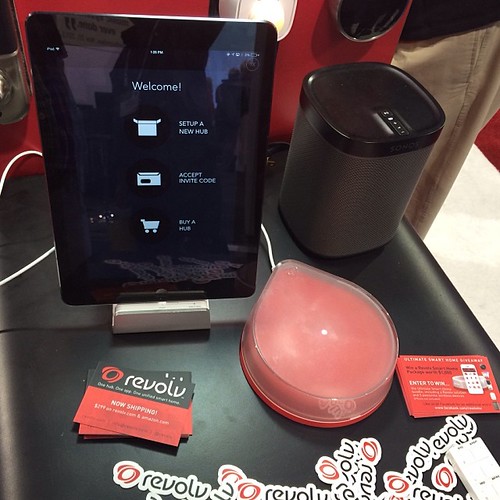
The smart home hub is set to be a game changer with Apple’s upcoming launch. On October 13, Apple may introduce the HomePod Mini and Apple TV, enhancing your smart home experience.
What is a Smart Home Hub?
A smart home hub serves as the central point for controlling various smart devices in a home. It acts as a bridge, allowing different devices to communicate and work together seamlessly. This technology enhances the functionality of individual smart devices, providing users with a more cohesive and integrated experience.
Typically, a smart home hub connects to devices such as lights, thermostats, cameras, and locks, enabling them to be managed through a single application or voice command. This simplifies the process of home automation, allowing users to create routines and scenarios that can be activated with just a few taps or voice prompts.
With the anticipated launch of Apple’s smart home hub, expectations are high for improved interoperability and user-friendly design. Users can look forward to features that will not only streamline device control but also enhance security and energy efficiency within their homes.
As the smart home ecosystem continues to grow, the introduction of a robust smart home hub could potentially revolutionize how consumers interact with their smart devices. It promises to provide a more holistic approach to home automation, making it easier for users to manage their home environments effectively.
Apple’s Upcoming Product Launch
As excitement builds around Apple’s upcoming product launch, speculation is rife regarding the new devices set to debut on October 13. Among the standout offerings, the highly anticipated smart home hub has captured the attention of tech enthusiasts and consumers alike. This new device is expected to seamlessly integrate with Apple’s ecosystem, providing enhanced control over smart home devices.
Industry insiders suggest that the smart home hub will not only improve connectivity between devices but will also feature advanced automation capabilities. Users may be able to manage multiple smart devices from a single interface, making home management more efficient and user-friendly.
In addition to the smart home hub, Apple is rumored to unveil the new HomePod Mini and an updated Apple TV. These devices are expected to complement the smart home hub, creating a cohesive experience for users. With the increasing demand for smart technology in homes, Apple’s strategy appears focused on fostering a comprehensive ecosystem that enhances everyday living.
As the launch date approaches, consumers are eager to see how these innovations will reshape the landscape of smart home technology. The potential of the smart home hub could redefine convenience and connectivity in modern households.
HomePod Mini Features
The HomePod Mini is not just a compact speaker; it also serves as a pivotal smart home hub. This device is designed to seamlessly integrate with various smart home devices, allowing users to control their homes with ease.
One of the standout features of the HomePod Mini is its exceptional sound quality. Despite its small size, it delivers rich audio that enhances any listening experience. The device also supports Siri, Apple’s voice assistant, which enables users to manage their smart home systems through simple voice commands.
Additionally, the HomePod Mini boasts
- Intercom functionality: Users can communicate with others in different rooms or even send messages to other HomePod devices in the house.
- Multi-room audio: It allows for synchronized music playback across multiple speakers, creating a cohesive sound experience throughout the home.
- HomeKit compatibility: The HomePod Mini connects effortlessly to HomeKit-enabled devices, broadening the range of products that can be controlled.
These features position the HomePod Mini as a versatile and essential component for anyone looking to enhance their smart home experience. With its blend of technology and design, it remains to be seen if this device will be the best new addition to Apple’s lineup.
Apple TV Innovations
In recent years, Apple has made significant strides in enhancing its Apple TV lineup, with innovations that cater to the growing demand for smart home integration. The latest iteration of Apple TV is expected to further solidify its role as a central player in the smart home ecosystem, potentially serving as a smart home hub.
One of the most exciting features of the new Apple TV is its enhanced compatibility with various smart home devices. Users can expect seamless integration with lights, thermostats, and security systems, making it easier to control their home environment all from one device. This feature positions the Apple TV not just as a media streaming device but as a pivotal element in a connected home.
Moreover, the introduction of improved voice control through Siri will allow users to manage their smart home devices even more efficiently. With voice commands, tasks like adjusting lighting or checking security cameras can be accomplished effortlessly.
As the demand for smart home technology continues to rise, Apple is likely to leverage its existing ecosystem, combining the power of the Apple TV with the functionalities of a smart home hub. This innovative approach could revolutionize how users interact with their smart devices, making home automation more accessible than ever.
How Smart Home Hubs Work
Smart home hubs serve as the central control point for various smart devices within a household, facilitating seamless communication between them. These devices can include smart lights, thermostats, security cameras, and more. By connecting to a smart home hub, users can manage their devices from a single interface, simplifying home automation.
One of the key functionalities of a smart home hub is its ability to support multiple communication protocols. This means that devices from different manufacturers can work together without compatibility issues. For instance, a user can integrate Philips Hue lights with a Ring doorbell, creating a cohesive smart home experience.
Additionally, smart home hubs often come equipped with voice control capabilities. Through virtual assistants like Siri, users can issue commands or ask questions, making it easier to manage their environment. For those who prefer more control, many hubs also offer mobile applications which provide detailed customization and settings adjustments.
The upcoming Apple smart home hub is expected to enhance these features, providing an even more intuitive user experience. With the integration of Apple’s ecosystem, users may find it simpler than ever to connect and manage their smart devices, making home automation both efficient and enjoyable.
The Future of Smart Homes
As technology continues to evolve, the concept of a smart home is becoming increasingly integrated into our daily lives. The smart home hub represents a central component in this transformation, allowing users to control various devices seamlessly and efficiently. The future of smart homes is not just about convenience; it is about creating an ecosystem where technology works in harmony to enhance our living experience.
With advancements in artificial intelligence and machine learning, smart home hubs are becoming more intuitive. They learn user preferences and automate tasks, resulting in a personalized environment. For example, lighting, heating, and security systems can all be controlled through a single device, making it simpler for homeowners to manage their homes.
Moreover, the rise of voice-activated assistants has made interaction with smart devices more accessible than ever. Users can simply speak commands to their smart home hub, allowing for hands-free operation, which is especially beneficial for individuals with mobility challenges.
As we look ahead, innovations in connectivity and interoperability will likely enhance the functionality of smart home hubs, making them indispensable in modern households. In this rapidly evolving landscape, it will be exciting to see how Apple positions its offerings in the competitive smart home market.
User Expectations for Apple
As Apple prepares for its upcoming product launch, user expectations for the new smart home hub are on the rise. Enthusiasts and everyday consumers alike are eager to see how this device will integrate with Apple’s existing ecosystem, particularly in enhancing home automation.
Many users anticipate that the smart home hub will offer seamless connectivity with various smart devices, allowing for a unified control center. Some specific expectations include:
- Interoperability: Users hope the hub will support a wide range of third-party devices, ensuring compatibility across different brands and technologies.
- User-Friendly Interface: Given Apple’s reputation for intuitive design, consumers are looking for an easy-to-navigate interface that simplifies managing home automation tasks.
- Enhanced Security: With increasing concerns about privacy, many expect the smart home hub to come with robust security features to protect user data.
- Voice Control: Integration with Siri is anticipated, allowing users to control their smart devices through voice commands.
Ultimately, the success of the smart home hub will depend on whether it meets these user expectations and enhances the overall smart home experience.
Comparing Smart Home Hubs
As the market for smart home technology continues to grow, various brands have introduced their versions of smart home hubs, each with distinct features and functionalities. Comparing these devices can help consumers understand which option best fits their needs.
- Amazon Echo: Known for its voice assistant Alexa, the Amazon Echo functions as a reliable smart home hub. It supports a wide range of devices and services, making it a popular choice for users looking for compatibility and integration.
- Google Nest Hub: With a focus on visual interaction, the Google Nest Hub provides a touchscreen interface that allows users to manage their smart devices and access information easily. Its integration with Google services enhances usability and convenience.
- Samsung SmartThings: This hub is designed for users who want extensive customization options. It supports a wide array of third-party devices, making it a flexible choice for users with diverse smart home setups.
- Apple’s Smart Home Hub: Expected to be a central piece of Apple’s ecosystem, this device is anticipated to offer seamless integration with existing Apple products, enhancing user experience and security.
Ultimately, the best smart home hub will depend on individual preferences, ecosystem loyalty, and specific feature requirements.
By AskDaveTaylor via Openverse