
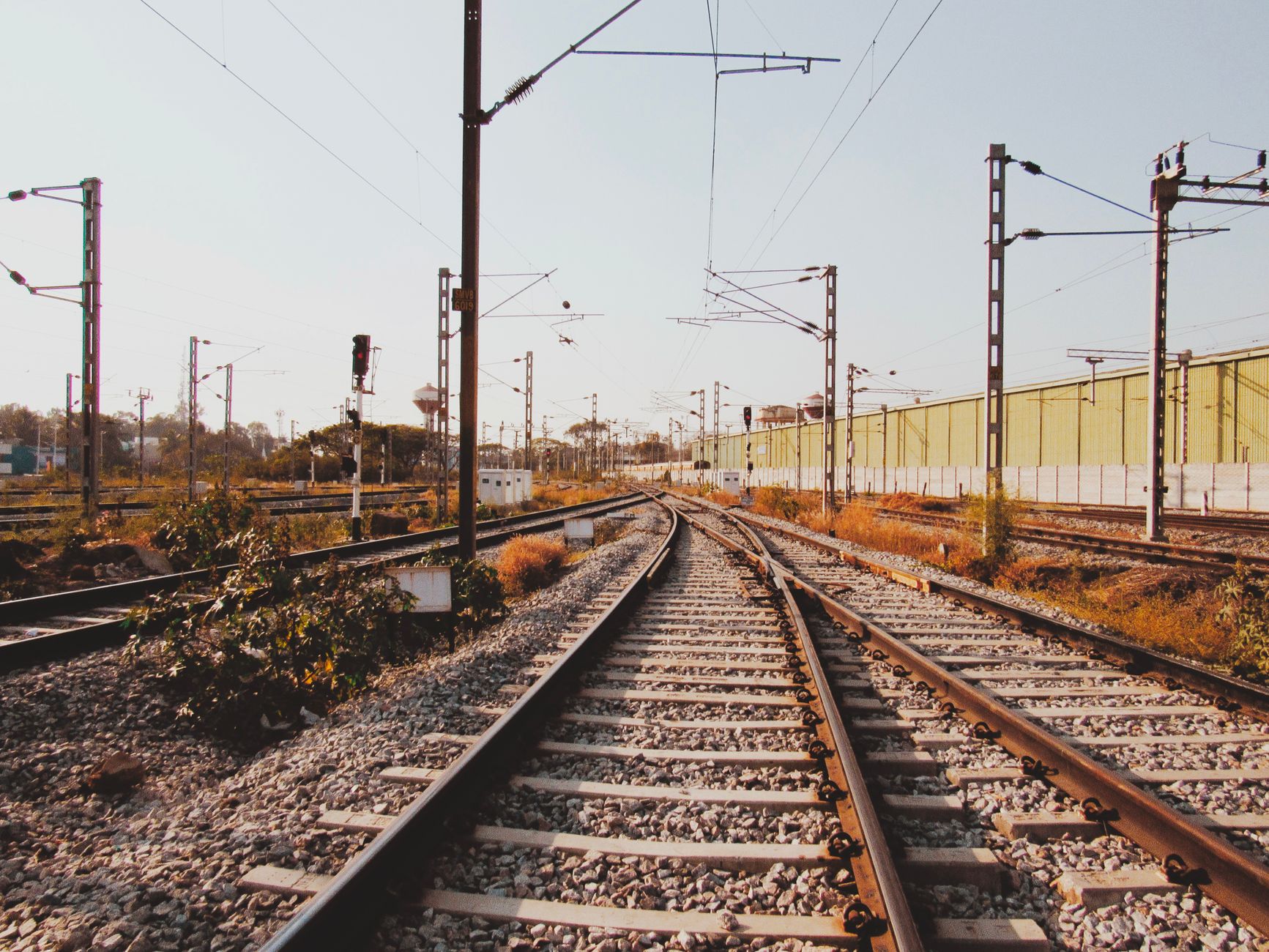
Bengaluru Pink Line is set to open on November 14, providing a new transit option for commuters. With trains running every 8 minutes, this line promises to enhance connectivity across the city.
Overview of the Bengaluru Pink Line
The Bengaluru Pink Line, set to open on November 14, promises to revolutionize urban transit in the city. This new line is part of the larger Bangalore Metro Rail Project, aimed at enhancing connectivity and reducing traffic congestion.
With trains operating every 8 minutes, the Bengaluru Pink Line will significantly improve the travel experience for commuters. The line spans several key areas, making it an essential addition to the city’s transportation network.
Some of the notable benefits of the Bengaluru Pink Line include:
- Improved Connectivity: The line connects various neighborhoods and commercial hubs, facilitating easier access to workplaces and services.
- Time Efficiency: Commuters can expect reduced travel times, allowing for a more efficient daily routine.
- Environmental Impact: By promoting public transport, the Pink Line aims to decrease reliance on private vehicles, leading to lower emissions and a cleaner city.
- Economic Growth: Enhanced transit options can stimulate local economies by increasing foot traffic in commercial areas.
As the launch date approaches, residents are eager to experience the benefits that the Bengaluru Pink Line will bring to their daily commutes.
Benefits of the New Metro Line
The introduction of the Bengaluru Pink Line is set to revolutionize urban transit in the city, offering numerous benefits to commuters and the environment alike.
- Reduced Travel Time: The new metro line will significantly cut down travel times for residents, providing a faster alternative to congested roads.
- Increased Connectivity: With multiple stations connecting key areas, the Pink Line enhances accessibility for commuters, linking them to important hubs across the city.
- Environmental Benefits: By promoting public transport, the Pink Line aims to reduce the carbon footprint associated with private vehicle usage, contributing to better air quality.
- Boost to Local Economy: Improved transportation infrastructure can lead to increased foot traffic in commercial areas, stimulating local businesses and potentially creating new jobs.
- Safety and Comfort: With modern facilities and regular maintenance, the Pink Line promises a safe and comfortable travel experience for all passengers.
As the Bengaluru Pink Line opens on November 14, it is expected to transform everyday commuting for thousands, making public transport a more viable and attractive option.
Expected Impact on Commuters
The upcoming Bengaluru Pink Line is set to significantly enhance the daily commute for thousands of residents. With its opening scheduled for November 14, commuters can expect a variety of benefits that will streamline travel across the city.
One of the primary impacts on commuters will be reduced travel time. The Pink Line will connect key areas, allowing for quicker transfers between different parts of Bengaluru. This will be particularly advantageous for those who currently rely on congested roads.
Additionally, the introduction of trains every 8 minutes will provide a reliable alternative to existing transportation options. The frequent service is expected to minimize waiting times, thus increasing overall accessibility for users.
Another benefit is the improved safety and comfort of commuting. The modern trains and well-designed stations will offer a much-needed upgrade over traditional modes of transport, contributing to a more pleasant travel experience.
Moreover, the Pink Line is anticipated to alleviate traffic congestion in the city, which has been a persistent issue. As more commuters opt for this efficient transit option, the reliance on private vehicles may decrease, leading to a reduction in pollution levels.
In summary, the Bengaluru Pink Line promises to transform the commuting landscape, making travel easier, faster, and more efficient for all users.
Timeline for Further Expansions
The introduction of the Bengaluru Pink Line marks a significant milestone in the city’s transportation infrastructure. As part of ongoing improvements, the timeline for further expansions is crucial for maximizing the benefits of this new transit option.
The authorities have outlined a phased approach to expand the metro network, ensuring better connectivity across the city. Key milestones include:
- Phase 1 Expansion: Scheduled for completion by mid-2025, this phase aims to connect the Pink Line to various neighborhoods, enhancing accessibility for residents.
- Phase 2 Development: This phase will focus on integrating the Pink Line with existing metro lines, expected to be completed by late 2026. This will allow seamless transfers for commuters.
- Future Extensions: Plans are already in motion for extending the Pink Line further into underserved areas, targeting completion by 2028. This will increase the metro’s reach and effectiveness.
As the Bengaluru Pink Line evolves, these expansions will not only improve transit efficiency but also contribute to the reduction of traffic congestion. The overall vision for the metro network is to create a sustainable and efficient public transport system, benefitting millions of commuters across the city.
Challenges Faced During Construction
The construction of the Bengaluru Pink Line faced several challenges that impacted its timeline and execution. These obstacles ranged from logistical issues to community concerns.
- Land Acquisition Delays: One of the most significant challenges was acquiring the necessary land. Disputes over ownership and compensation delayed progress in several areas.
- Environmental Concerns: The construction was closely monitored by environmental agencies. The need to preserve green spaces and mitigate ecological damage added layers of complexity to the project.
- Traffic Management: The construction zones led to increased traffic congestion in several parts of the city. Authorities had to implement temporary measures to alleviate disruptions for commuters.
- Community Resistance: Local residents raised concerns about noise pollution and changes to their neighborhoods. Engaging with the community was crucial to address these issues and ensure smoother operations.
- Technical Complexities: The advanced technology implemented in the metro system posed its own set of challenges. Ensuring safety and functionality required rigorous testing and adjustments during construction.
Despite these challenges, the completion of the Bengaluru Pink Line marks a significant achievement for the city’s infrastructure and transit options.
Comparison with Other Metro Lines
The launch of the Bengaluru Pink Line has sparked discussions about how it compares with existing metro lines in the city. While the Pink Line is designed to enhance connectivity, it is essential to evaluate its advantages over the established routes.
One of the standout features of the Bengaluru Pink Line is its frequency. With trains operating every 8 minutes, it promises to reduce waiting times significantly compared to older lines, which often have longer intervals between trains.
Additionally, the Pink Line offers:
- Extended Coverage: It connects various bustling areas that were previously underserved by public transport, making it more accessible for daily commuters.
- Modern Infrastructure: Equipped with state-of-the-art facilities, the Pink Line aims to provide a comfortable travel experience, featuring spacious coaches and improved safety measures.
- Environmental Benefits: As a part of the city’s green initiative, it encourages the use of public transport, reducing traffic congestion and lowering carbon emissions.
In comparison, older metro lines may not offer the same level of convenience or speed, making the Bengaluru Pink Line a significant upgrade in the city’s transit network.
Community Reactions to the Opening
The recent opening of the Bengaluru Pink Line has sparked a wave of reactions from the community, with many expressing excitement about the new transit option. Local residents and commuters have taken to social media to share their thoughts, highlighting the potential benefits it may bring to their daily lives.
Many users have noted that the Pink Line could significantly reduce travel time across the city. A local commuter expressed, “This new line will make my daily commute much easier. I can finally avoid the traffic jams that have been a part of my life for too long.” Others echoed similar sentiments, emphasizing the convenience of having more frequent trains available.
However, not all reactions have been overwhelmingly positive. Some community members raised concerns about the increased foot traffic in their neighborhoods. A resident near one of the stations stated, “While I’m excited about the Pink Line, I worry about the noise and congestion it might bring to our area.”
Overall, the community’s feedback reflects a blend of optimism and caution as they adapt to this new addition to Bengaluru’s transit landscape. As the city embraces this change, the real impact of the Bengaluru Pink Line will unfold in the coming weeks and months.
Future of Urban Transit in Bengaluru
The launch of the Bengaluru Pink Line marks a significant milestone in the evolution of urban transit in the city. As Bengaluru continues to grow, the demands on its transportation infrastructure have never been greater. The Pink Line is poised to alleviate some of these pressures and redefine how residents navigate the bustling metropolis.
One of the most notable aspects of the future of urban transit in Bengaluru is the potential for enhanced connectivity. The Pink Line will not only serve its direct route but will also connect to various other metro lines, creating a more integrated transit system. This integration is expected to reduce travel times and improve access to key areas, including business districts and educational institutions.
Moreover, the introduction of modern transit options like the Pink Line encourages a shift towards sustainable transportation. With trains running every 8 minutes, the frequency of service is designed to attract more commuters to public transport, thereby reducing reliance on personal vehicles. This shift can lead to decreased traffic congestion and lower emissions, supporting the city’s goals for a greener future.
As Bengaluru embraces this new transit option, the Pink Line stands as a beacon for innovative urban planning and a step towards a more efficient transportation network.
Photo by Kenneth Christopher on Pexels