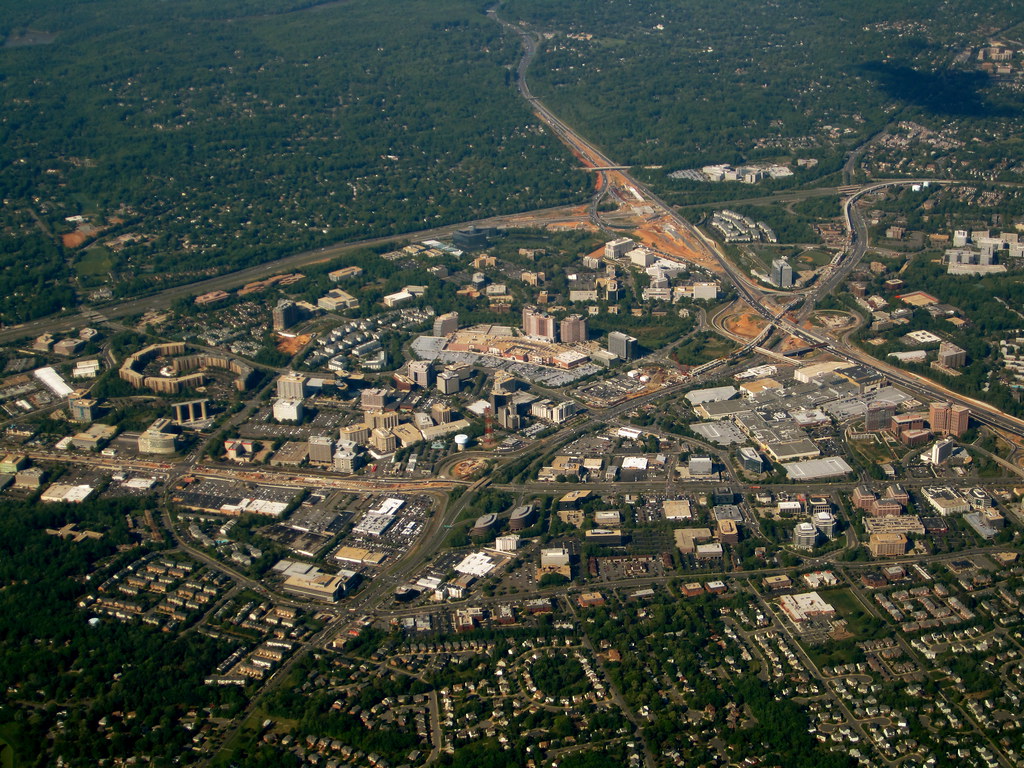

India’s Realty and Manufacturing sectors are undergoing significant transformation. Understanding these changes is crucial for stakeholders looking to thrive in a competitive landscape.
Current Trends in India’s Realty Sector
As India continues to evolve, the realty sector is witnessing significant changes that reflect broader economic trends. One of the most notable current trends is the growing emphasis on sustainability and green building practices. Developers are increasingly incorporating eco-friendly materials and energy-efficient technologies in their projects.
Additionally, the demand for affordable housing remains a priority, driven by urbanization and a burgeoning middle class. This shift is prompting both private and public sectors to collaborate more closely, aiming to address housing shortages effectively.
Technology is also playing a pivotal role in transforming India’s realty landscape. Digital platforms for property transactions are becoming commonplace, enhancing transparency and efficiency in the buying and selling processes.
Furthermore, the integration of smart home solutions is appealing to tech-savvy consumers, aligning with the overall trend towards modernization. As these trends continue to unfold, they will shape not only the realty sector but also interlink with India’s broader manufacturing strategies, reinforcing the country’s economic framework.
Challenges Facing the Manufacturing Industry
The manufacturing industry in India faces several challenges that hinder its growth and efficiency. These obstacles must be addressed to enhance productivity and maintain competitiveness in both domestic and global markets.
- Infrastructure Deficiencies: The lack of adequate infrastructure, such as efficient transportation and logistics systems, poses significant hurdles for manufacturers. Poor connectivity can delay product delivery and increase costs.
- Regulatory Hurdles: Complex regulations and bureaucratic red tape can stifle innovation and slow down project approvals. Streamlining these processes is essential for fostering a more conducive environment for businesses.
- Skilled Labor Shortage: The industry often struggles with a shortage of skilled labor. Investing in training programs and vocational education is crucial for developing a workforce equipped to meet industry demands.
- Technological Adaptation: Many manufacturers face challenges in adopting advanced technologies. Embracing automation and digitization can lead to improved efficiency, yet initial investment costs can be prohibitive.
Addressing these challenges is vital for the future of India’s realty and manufacturing sectors, ensuring sustainable growth and resilience.
Key Players in India’s Real Estate Market
India’s real estate market is characterized by a diverse array of key players who contribute significantly to its growth. Understanding these players is essential for navigating the complexities of India’s Realty and Manufacturing sectors.
- Developers: Major players include both national giants and regional developers. They shape the market by initiating large-scale residential and commercial projects, responding to urbanization trends.
- Investors: Institutional investors, including foreign direct investment, play a critical role in funding real estate projects. Their confidence in the market often reflects broader economic trends.
- Government: Policy makers and regulatory bodies influence the sector through initiatives such as the Real Estate (Regulation and Development) Act (RERA), which aims to ensure transparency and protect consumers.
- Technology Firms: Proptech companies are revolutionizing the landscape by offering innovative solutions that enhance property management and investment analysis.
Collectively, these players are instrumental in addressing challenges and seizing opportunities within India’s Realty and Manufacturing sectors, ultimately driving sustainable growth.
Government Initiatives for Infrastructure Growth
The Indian government has launched several initiatives aimed at boosting infrastructure growth, vital for enhancing both the realty and manufacturing sectors. These initiatives are designed to create a conducive environment for investment and development.
One of the key programs is the National Infrastructure Pipeline (NIP), which aims to invest over INR 100 trillion in various projects by 2025. This massive investment is expected to facilitate significant improvements in transportation, logistics, and utilities essential for realty and manufacturing growth.
Additionally, the Smart Cities Mission focuses on developing urban centers with advanced infrastructure, which will directly benefit the realty sector by increasing property values and attracting businesses.
Furthermore, the Make in India initiative encourages domestic manufacturing by simplifying regulations and nurturing innovation. This initiative not only supports manufacturing growth but also enhances the demand for industrial real estate.
In conclusion, these government initiatives play a crucial role in shaping the future of India’s realty and manufacturing sectors, driving sustainable development across the nation.
Sustainable Practices in Manufacturing
Sustainable practices in manufacturing are becoming increasingly important in India’s Realty and Manufacturing sectors. As industries strive to reduce their carbon footprints and adhere to global sustainability standards, several strategies are gaining traction.
- Resource Efficiency: Companies are adopting methods to optimize resource use, minimizing waste and maximizing productivity.
- Renewable Energy: The integration of renewable energy sources, such as solar and wind, is essential for reducing dependence on fossil fuels.
- Eco-friendly Materials: Utilizing sustainable materials in production helps lower environmental impact while meeting consumer demand for greener products.
- Innovation in Processes: Advanced manufacturing technologies, including automation and digitization, are being leveraged to create more efficient production lines.
- Lifecycle Assessment: Companies are increasingly conducting lifecycle assessments to understand the environmental impacts of their products from production to disposal.
By implementing these strategies, businesses in India’s Realty and Manufacturing sectors can enhance their competitiveness while contributing to a sustainable future.
Future Outlook for Realty and Manufacturing
The future outlook for India’s realty and manufacturing sectors appears promising, driven by a combination of innovation and strategic initiatives. As the nation continues to urbanize, the demand for residential and commercial spaces is expected to rise, presenting ample opportunities for real estate developers.
Manufacturing, on the other hand, is poised for transformation with the integration of advanced technologies such as automation and artificial intelligence. These innovations will not only enhance productivity but also improve efficiency across the supply chain.
Key strategies that stakeholders should consider include:
- Collaboration: Fostering partnerships between the government and private sector can lead to shared resources and expertise.
- Investment in Technology: Embracing cutting-edge technologies can help both sectors adapt to changing market demands.
- Focus on Sustainability: Implementing eco-friendly practices will not only meet regulatory requirements but also attract environmentally conscious consumers.
With these proven strategies, India’s realty and manufacturing sectors are well-positioned to thrive in the coming years.
Success Stories from the Industry
India’s Realty and Manufacturing sectors have witnessed remarkable success stories that highlight the potential for growth and innovation. Leading firms have adopted unique strategies that not only enhance their market positioning but also contribute to the overall economic development of the country.
- Realty Innovations: A prominent real estate developer introduced a new smart housing project that integrates technology with eco-friendly practices, attracting a younger demographic and setting a benchmark in sustainable living.
- Manufacturing Excellence: A manufacturing giant implemented lean production techniques, significantly reducing waste and improving efficiency. This approach not only increased their output but also enhanced product quality, resulting in higher customer satisfaction.
- Collaborative Efforts: Partnerships between real estate and manufacturing firms have led to integrated development projects that streamline construction processes and optimize resource use, showcasing the synergy between the two sectors.
These success stories exemplify how strategic initiatives in India’s Realty and Manufacturing can drive economic growth while fostering innovation and sustainability.
In recent years, India’s Realty and Manufacturing sectors have demonstrated remarkable resilience and adaptability. By focusing on sustainable practices and innovative technologies, India’s Realty and Manufacturing are poised to lead the market in the coming decade.
References
Related reading
West Bengal road projects: Clear path for faster development · WSB Real Estate exits: Worth Rs 900 Cr from 6 Projects · BOPET film line project: Is it the best investment in Thailand?