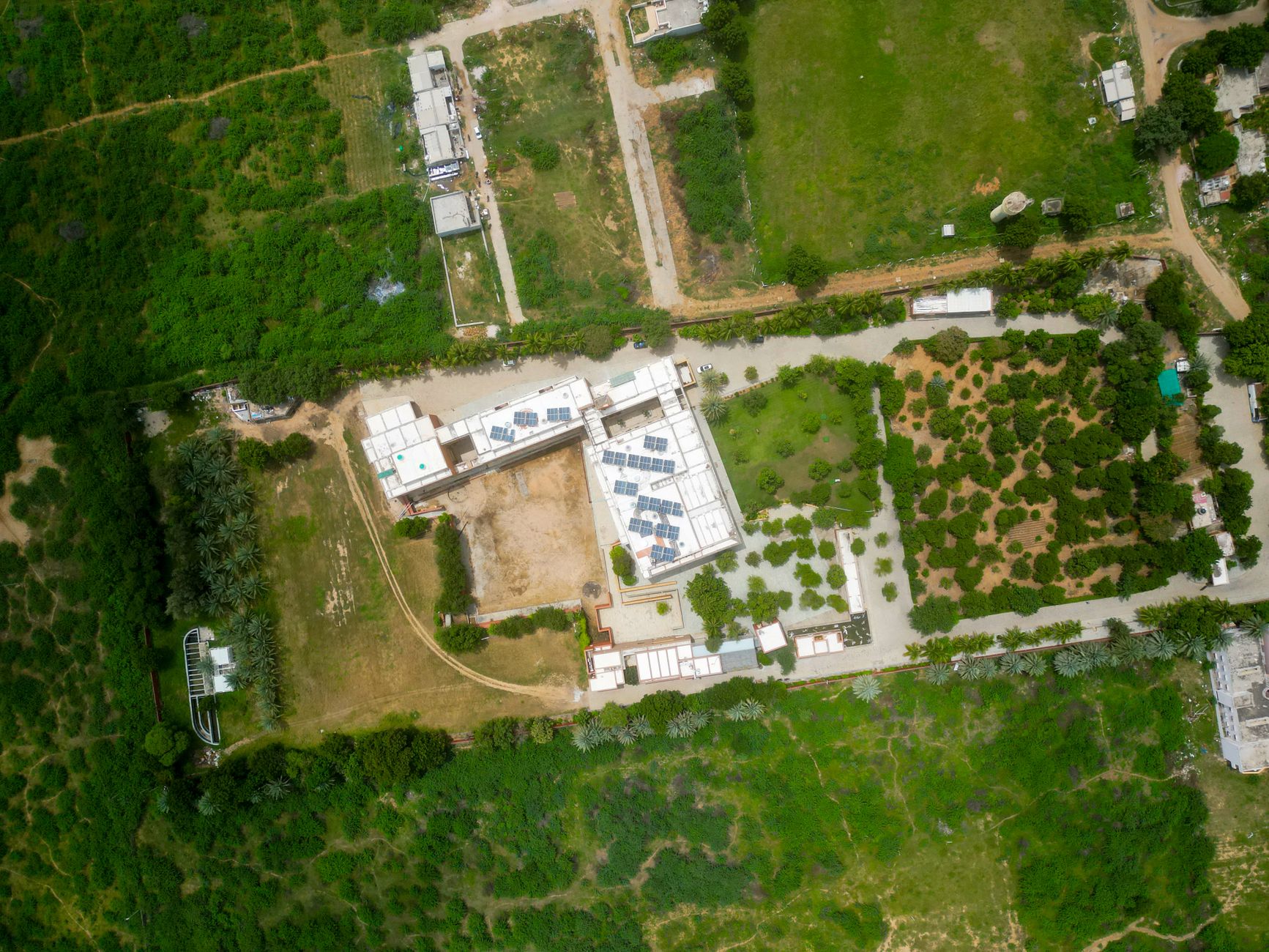

Deendayal Port cargo terminal is a significant development as the Deendayal Port Authority issues a LoA to Essar Ports for a 30-year project. This initiative promises to boost trade and logistics in the region.
Overview of the Deendayal Port Project
The Deendayal Port cargo terminal is set to play a pivotal role in enhancing India’s maritime infrastructure and boosting economic growth. Recently, the Deendayal Port Authority issued a Letter of Award (LoA) to Essar Ports for a significant 30-year cargo terminal project. This initiative aims to modernize port operations and expand cargo handling capacity, which is essential for meeting the growing demands of trade.
Located on the western coast of India, the Deendayal Port has been strategically developed to facilitate efficient logistics and transportation services. The project is expected to bring numerous benefits, including:
- Increased Capacity: The cargo terminal will enhance the port’s ability to handle larger volumes of goods, supporting the burgeoning trade activities.
- Job Creation: This development will generate employment opportunities in the region, contributing to local economic growth.
- Boost to Trade: Improved facilities will encourage more shipping lines to utilize the port, further integrating it into global supply chains.
- Environmental Considerations: The project will incorporate sustainable practices, aiming to minimize ecological impact while promoting efficiency.
Overall, the Deendayal Port cargo terminal project represents a significant step towards reinforcing India’s position in global maritime trade.
Essar Ports’ Role in Infrastructure
Essar Ports has emerged as a pivotal player in the development of the Deendayal Port cargo terminal, significantly contributing to the region’s infrastructure growth. The company has been awarded a Letter of Acceptance (LoA) by the Deendayal Port Authority for a 30-year project that is set to enhance the terminal’s capacity and efficiency.
This strategic partnership is expected to bolster trade and commerce in the area, offering numerous advantages:
- Increased Capacity: The project will expand the terminal’s operational capabilities, allowing for a higher volume of cargo handling.
- Job Creation: The development is anticipated to generate employment opportunities for local communities, fostering economic growth.
- Modern Infrastructure: Essar Ports will introduce state-of-the-art technologies and practices, ensuring the terminal operates at optimal efficiency.
- Environmental Sustainability: The project will incorporate eco-friendly measures to minimize ecological impact, aligning with global sustainability goals.
The collaboration between Essar Ports and the Deendayal Port Authority signifies a robust commitment to enhancing India’s maritime capabilities and positioning the Deendayal Port cargo terminal as a key driver of economic progress in the region.
Impact on Regional Trade
The development of the Deendayal Port cargo terminal is set to significantly impact regional trade, enhancing the connectivity and efficiency of logistics in the surrounding areas. With its strategic location along the western coast of India, the terminal is poised to become a vital hub for import and export activities.
Local businesses are expected to benefit greatly from improved access to international markets, leading to an increase in trade volume. The terminal’s advanced facilities will streamline cargo handling, reducing turnaround times and lowering transportation costs. This efficiency is likely to attract more shipping lines and increase the frequency of maritime services.
Additionally, the project is anticipated to create numerous job opportunities, both directly and indirectly, within the region. A boost in trade activities will also stimulate local supply chains, encouraging growth in ancillary industries such as warehousing, logistics, and manufacturing.
In summary, the Deendayal Port cargo terminal serves as a catalyst for regional economic development, driving growth and prosperity through enhanced trade opportunities. As the terminal becomes operational, its impact on regional trade dynamics will be closely monitored by industry stakeholders and local governments.
Future of Cargo Terminals in India
The future of cargo terminals in India looks promising, especially with the development of the Deendayal Port cargo terminal. As the demand for efficient logistics and transportation solutions increases, modern cargo terminals are becoming essential for enhancing trade and economic growth across the country.
Several factors contribute to this optimistic outlook:
- Technological Advancements: The integration of advanced technologies in cargo handling and management systems is expected to streamline operations and reduce turnaround times.
- Investment in Infrastructure: Significant investments from private players, like Essar Ports, are transforming existing facilities and constructing new ones to meet growing demands.
- Government Initiatives: Policies aimed at boosting port development and enhancing connectivity are likely to further improve the efficiency of cargo terminals throughout India.
- Increased Trade Opportunities: With globalization, the expansion of trade routes and partnerships will lead to higher cargo volumes, necessitating more robust terminal capabilities.
As the Deendayal Port cargo terminal exemplifies, the strategic development of such infrastructure is crucial for fostering economic growth and improving the competitive edge of India in the global market.
Government Support for Port Development
The development of the Deendayal Port cargo terminal has garnered significant government support, reflecting a strategic initiative to enhance India’s maritime infrastructure. This backing is pivotal in facilitating not just the growth of the terminal itself, but also in promoting regional economic development.
In a recent announcement, the Deendayal Port Authority issued a Letter of Award (LoA) to Essar Ports for a 30-year terminal project. This decision underscores the government’s commitment to fostering public-private partnerships that can lead to substantial advancements in port operations and logistics.
Moreover, the government has introduced various policies aimed at streamlining processes for port development. These include:
- Incentives for Private Investment: Offering tax exemptions and subsidies to attract private players.
- Regulatory Reforms: Simplifying compliance requirements to expedite project approvals.
- Infrastructure Improvement: Investing in road and rail connectivity to enhance cargo movement.
Such initiatives not only bolster the operational capacity of the Deendayal Port cargo terminal but also position it as a critical player in bolstering India’s trade competitiveness on a global scale.