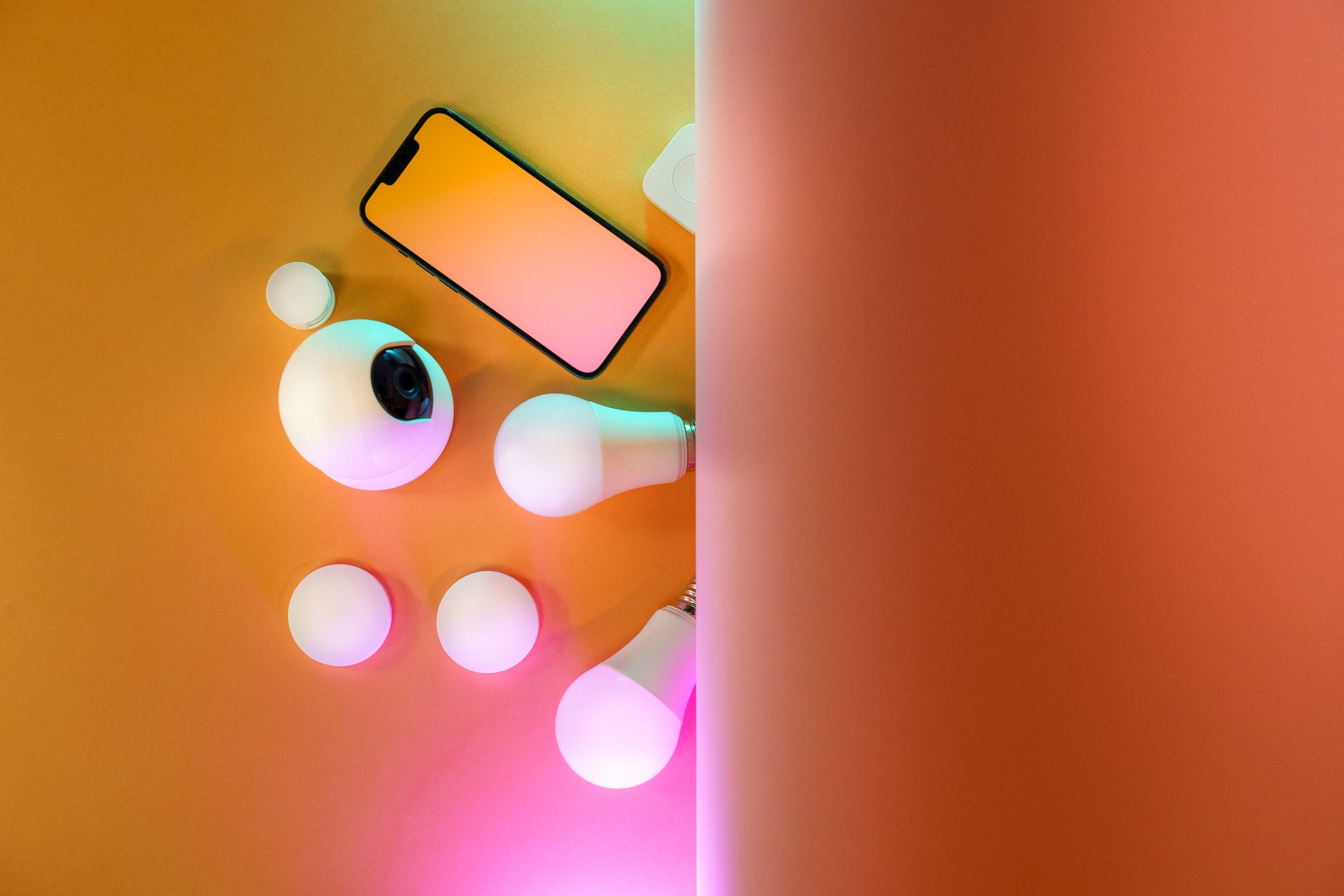


The Apple HomeView ad has been labeled as the worst launch campaign ever by industry experts. Many viewers find the chaotic family scene relatable, but critics argue it misses the mark.
Overview of the Apple HomeView ad
The Apple HomeView ad has stirred significant debate since its release, with many calling it one of the most misguided launch campaigns in recent memory. As a promotional effort for Apple’s new AI-powered smart home hub, the ad attempts to showcase a bustling family environment, filled with the challenges of modern living. However, the reception has been far from positive.
Critics argue that the ad fails to effectively communicate the benefits of the HomeView system. Instead of highlighting its features, the commercial focuses on a chaotic family scene that some viewers find relatable yet overwhelming. The disorganized portrayal has led many to question the clarity of the message Apple intended to convey.
In a world where advertising must capture attention quickly, the Apple HomeView ad appears to miss the mark. One tech analyst bluntly stated, “One of the worst launch ads I’ve seen in my life.” This sentiment has been echoed by various advertising experts, who suggest that the chaotic depiction does not align with the precision Apple is known for.
As the conversation continues, many are left wondering how such a prominent brand could misstep in such a crucial marketing moment. The future success of the HomeView product may hinge on whether Apple can effectively pivot from this rocky start.
Expert Opinions on Advertising
Several advertising experts have weighed in on the controversial Apple HomeView ad, offering a mix of criticism and insight. According to Jenna Marks, a veteran advertising consultant, the ad fails to connect with its audience. She stated, “The chaotic family scene may resonate with some viewers, but the overall message is lost in the noise. It doesn’t effectively communicate the product’s benefits.”
Another expert, Tom Reynolds, noted a missed opportunity for storytelling. “A launch campaign should create an emotional connection,” he explained. “Instead, this ad feels more like a confusing montage than a narrative that showcases Apple’s innovation.”
Critics have pointed out that the Apple HomeView ad lacks clarity and focus. “When advertising a new product, especially one as innovative as a smart home hub, clarity is crucial,” said marketing analyst Lisa Chen. “Viewers should walk away knowing what the product does and why they should want it.”
While some analysts argue that Apple’s brand strength may still draw in customers, many believe that the ad’s disjointed presentation could hinder its success. “This ad could be one of the worst launch campaigns I’ve seen in my life,” remarked tech analyst Mark Jones. As the dust settles, it remains to be seen how this will affect the overall reception of the Apple HomeView.
Why Chaos in Ads Can Fail
The recent Apple HomeView ad has sparked considerable discussion regarding the pitfalls of chaotic advertising strategies. While the intention may have been to present a lively and relatable family scenario, the execution has left many viewers bewildered and unimpressed. This chaos in advertising can often lead to failure for several reasons.
- Loss of Message Clarity: When an advertisement is filled with too much action or noise, the core message can become obscured. Viewers may struggle to grasp what the product is, how it works, or what benefits it offers. In the case of the Apple HomeView ad, critics argue that the frenetic family interactions diluted the focus on the product itself.
- Overwhelm and Confusion: Audiences may feel overwhelmed by chaotic visuals and interactions, causing them to disengage rather than connect with the content. This disconnect can prevent potential customers from forming a positive association with the brand.
- Failure to Evoke Emotion: Effective advertisements often rely on emotional resonance. If viewers are too busy processing the chaos, they may miss out on the emotional cues that are crucial for building a connection with the brand.
In a crowded market, a clear and concise message is essential; otherwise, as seen with the Apple HomeView ad, the campaign risks becoming a misfire.
Consumer Reactions to HomeView
Consumer reactions to the Apple HomeView ad have been overwhelmingly negative, with many viewers expressing confusion and dissatisfaction. The chaotic portrayal of a family attempting to use the new AI-powered smart home hub has left audiences wondering about the product’s actual benefits.
One viewer remarked, “I was excited to see what HomeView could do, but the ad just made me feel stressed out.” This sentiment was echoed by others who found the fast-paced scenes overwhelming rather than engaging. Critics have noted that the ad fails to clarify the product’s features, leading to frustration among potential customers.
Social media platforms have seen a surge of commentary regarding the HomeView ad. Many users took to Twitter to share their thoughts:
- “Is this supposed to sell me a smart home device or give me a panic attack?”
- “I can’t tell if it’s an ad for a product or a reality show gone wrong.”
- “I expected more from Apple. This feels like a step back in advertising.”
While some viewers appreciate the relatability of a chaotic family scene, the majority agree that the Apple HomeView ad misses the mark, leaving a cloud of confusion rather than excitement surrounding the product’s launch.
Future of Smart Home Marketing
The future of smart home marketing is at a crossroads, particularly in light of the recent backlash against the Apple HomeView ad. As technology continues to advance, marketers are challenged to create campaigns that resonate with consumers, showcasing the true value of innovative products without overwhelming them.
Many industry experts believe that the chaotic portrayal in the HomeView campaign could set a troubling precedent. The emphasis on disorder and confusion in the ad contrasts sharply with the expected seamlessness of smart home technology. This divergence raises critical questions about how brands should communicate their offerings moving forward.
- Clarity Over Chaos: Future campaigns should prioritize clear messaging that highlights usability and integration in everyday life.
- Emotional Connections: Advertisements that evoke genuine emotions and relatable scenarios may be more effective than those filled with chaos.
- Consumer-Centric Approaches: Engaging consumers in the development of marketing strategies can lead to more relevant and appealing content.
As the smart home market evolves, brands must learn from the missteps of the Apple HomeView ad. The challenge will be to craft narratives that not only inform but also inspire trust and excitement about the burgeoning realm of connected devices.
Photo by Vitaly Gariev on Pexels