

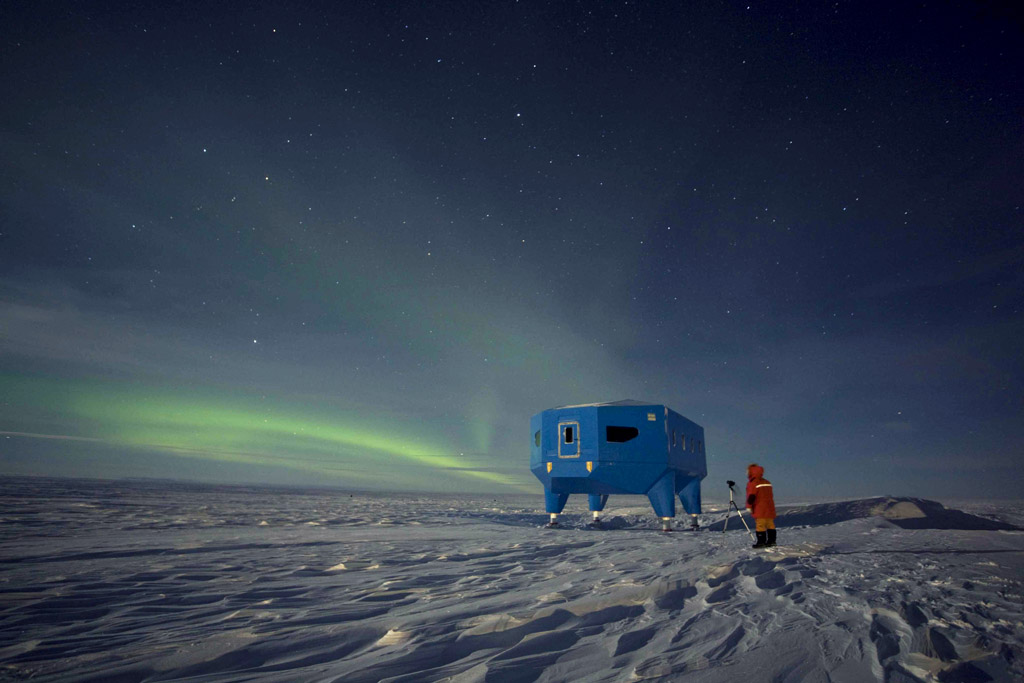
The ice-snow climate survey is set to revolutionize the hotel industry in China, enhancing opportunities for growth and sustainability. This national initiative aims to leverage climate resources effectively.
Overview of the Ice-Snow Climate Survey
The recent launch of the national ice-snow climate survey in China marks a significant step towards understanding the environmental factors affecting the winter sports and tourism industry. This initiative aims to gather essential data on ice and snow resources across the country, which can help in planning and development for a more sustainable future.
The ice-snow climate survey focuses on several key areas:
- Resource Assessment: The survey will evaluate the availability and quality of ice and snow in various regions, providing critical insights for businesses and policymakers.
- Climate Patterns: Understanding changing climate patterns allows stakeholders to anticipate shifts in the ice-snow season, which is vital for planning tourism activities.
- Impact on Local Economies: By analyzing the economic benefits derived from ice and snow resources, the survey aims to highlight the potential growth for the hotel and tourism industries.
- Environmental Sustainability: The findings will guide sustainable practices to minimize the ecological footprint of winter sports and tourism.
As the hotel industry looks for ways to capitalize on the growing interest in winter tourism, the ice-snow climate survey provides a comprehensive foundation for informed decision-making. This data-driven approach is expected to significantly enhance the development of winter sports facilities and attract more visitors to regions rich in snow and ice resources.
Impact on the Hotel Industry
The recent ice-snow climate survey conducted by the Chinese government has significantly impacted the hotel industry, particularly in regions reliant on winter tourism. With the government’s commitment to enhancing ice and snow activities, hotels are experiencing a surge in demand as travelers seek unique winter experiences.
Many hotels are adapting their services to cater to the influx of visitors. Key changes include:
- Seasonal Packages: Hotels are creating special winter packages that include skiing lessons, snowshoeing, and spa treatments to attract tourists.
- Infrastructure Improvements: Upgrades to facilities, such as heated outdoor pools and cozy lounges, are being implemented to enhance guest comfort during chilly months.
- Promotional Campaigns: Marketing strategies are focusing on the unique offerings of winter destinations to appeal to both domestic and international travelers.
As the ice-snow climate survey continues to reveal the potential for winter tourism growth, hotels are positioning themselves to capitalize on these opportunities. This proactive approach not only promises economic benefits for the hospitality sector but also fosters a sustainable tourism model that thrives in harmony with the changing climate.
In summary, the ice-snow climate survey is proving to be a catalyst for the hotel industry, encouraging innovation and strategic planning to meet the evolving demands of winter travelers.
Benefits for Tourism in China
The recent ice-snow climate survey conducted in China is set to bring numerous benefits to the tourism sector, particularly in regions known for their winter sports and attractions. As the government emphasizes the importance of winter tourism, this survey aims to harness the potential of ice and snow resources across various provinces.
One of the key advantages of the survey is its ability to provide valuable data on local climate conditions. This information helps tourism operators better understand snow patterns, which is essential for planning and enhancing winter activities. By knowing when snowfall is likely and how long it will last, hotels and resorts can optimize their services to attract more visitors.
Moreover, the survey encourages investment in infrastructure and facilities, leading to improved amenities for tourists. As more regions commit to developing their winter tourism offerings, visitors can expect a greater variety of activities, such as skiing, snowboarding, and ice festivals.
Additionally, the promotion of ice and snow tourism aligns with China’s broader strategy to diversify its tourism portfolio. This diversification not only boosts local economies but also creates job opportunities, fostering community development.
In summary, the ice-snow climate survey represents a significant step forward in leveraging China’s natural winter resources, promising a bright future for the tourism industry while enhancing the experience for travelers across the country.
Government Initiatives in Climate Resources
The Chinese government has taken significant steps to support the development of winter tourism through various initiatives aimed at enhancing climate resources. One of the most notable actions has been the launch of the national ice-snow climate survey, which is designed to assess and catalog the country’s ice and snow resources. This survey is expected to provide valuable data that will inform the planning and development of winter sports facilities and tourism infrastructure.
In addition to the survey, the government has also introduced policies to promote investment in ski resorts and winter sports centers. These initiatives include:
- Financial incentives: Subsidies and grants for businesses that invest in winter tourism infrastructure.
- Public-private partnerships: Collaborations between government entities and private companies to enhance the quality and accessibility of winter sports facilities.
- Marketing campaigns: National campaigns to promote winter tourism destinations, appealing to both domestic and international travelers.
Furthermore, local governments are being encouraged to incorporate winter tourism into their regional development plans. This strategic focus not only aims to bolster the local economy but also aligns with broader environmental goals by promoting sustainable tourism practices. Overall, these government initiatives are paving the way for a thriving ice and snow tourism sector, which can significantly contribute to the growth of the hospitality industry in China.
Future of Ice-Snow Tourism
The future of ice-snow tourism looks promising, especially in light of the recent findings from the ice-snow climate survey. As the global climate continues to shift, understanding the dynamics of snow and ice resources becomes increasingly vital for the tourism sector. This survey not only sheds light on existing conditions but also helps forecast future trends that can be leveraged by hotel and tourism operators.
One of the key aspects of the survey is its potential to inform long-term strategic planning for winter tourism destinations. By analyzing data collected on snow depth, duration of snow cover, and temperature variations, stakeholders can make informed decisions about infrastructure investments and marketing strategies. This proactive approach may lead to:
- Enhanced Visitor Experiences: With accurate climate data, hotels can tailor their offerings to match the expectations of winter sports enthusiasts.
- Seasonal Events: Insights from the survey can help in planning events that attract tourists during peak seasons.
- Sustainable Practices: Understanding climate patterns enables the development of more sustainable tourism practices that minimize environmental impact.
As the industry adapts to changing conditions, the ice-snow climate survey serves as a crucial tool for navigating the future of ice-snow tourism, ensuring that both visitors and businesses can thrive in a sustainable manner.
How Hotels Can Adapt
As the ice-snow climate survey unveils critical data on climate conditions, hotels are poised to adapt their strategies to capitalize on this emerging trend. By leveraging insights from the survey, hoteliers can enhance guest experiences and ensure sustainability.
Hotels can implement several key strategies to adapt to the findings of the ice-snow climate survey:
- Emphasize Eco-friendly Practices: Incorporating sustainable practices not only appeals to environmentally conscious travelers but also aligns with the growing emphasis on responsible tourism.
- Diversify Offerings: By expanding services to include winter sports, wellness retreats, and cultural experiences, hotels can attract a wider range of visitors seeking unique ice-snow experiences.
- Invest in Technology: Utilizing technology for efficient energy use and improved customer service can significantly enhance operational efficiency, leading to greater guest satisfaction.
- Collaborate with Local Businesses: Forming partnerships with local tour operators and activity providers can create comprehensive packages that promote the region’s winter offerings.
- Market Seasonality: Tailoring marketing campaigns to highlight seasonal attractions can draw attention to the unique experiences available during the winter months, ensuring a steady flow of guests.
By understanding and acting on the insights from the ice-snow climate survey, hotels can create a competitive edge in the ever-evolving tourism landscape, fostering greater resilience and profitability in the long term.
By Podknox via Openverse
Where this came from
Is the Redmi TV A55 the Best Budget 4K Smart TV? · India’s Realty and Manufacturing: The Best Proven Strategies · West Bengal road projects: Clear path for faster development