
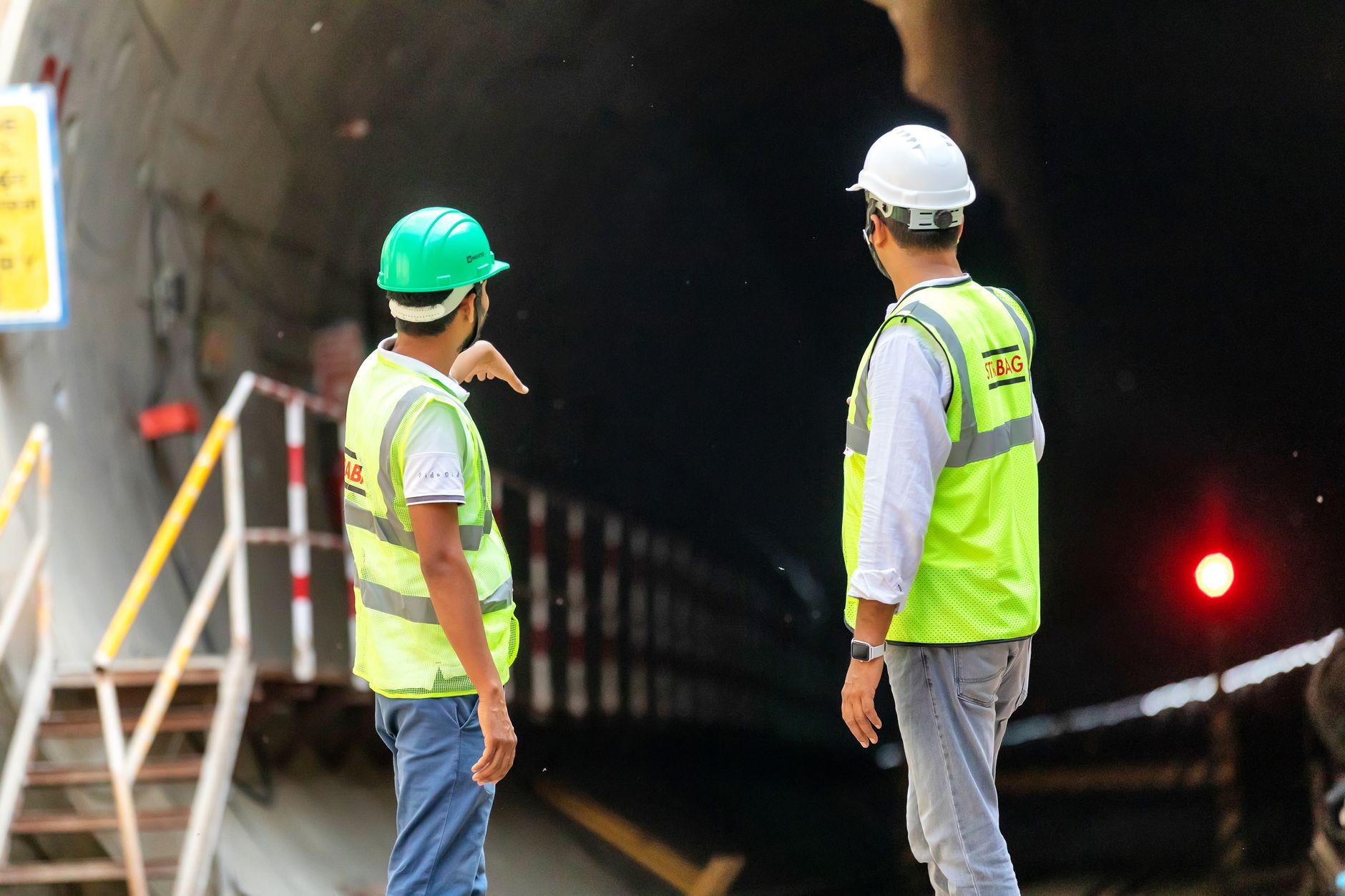
TNICC infrastructure projects are a significant step towards enhancing Tamil Nadu’s economic landscape. The newly established TNICC aims to accelerate mega infrastructure initiatives and revenue-generating ventures across the state.
Overview of TNICC
The Tamil Nadu Infrastructure and Connectivity Corporation (TNICC) has been established to spearhead significant infrastructure projects across the state. This initiative is aimed at not only enhancing the physical infrastructure but also at generating substantial revenue streams for the state’s economy. By focusing on strategic initiatives, TNICC seeks to implement smart solutions that align with modern urban planning and sustainability goals.
Among the key objectives of TNICC are:
- Driving Innovation: Implementing cutting-edge technologies in transportation and communication.
- Public-Private Partnerships: Encouraging collaboration between the government and private sectors to finance and execute projects.
- Sustainable Development: Ensuring that infrastructure projects incorporate environmentally friendly practices.
- Boosting Job Creation: Generating employment opportunities through various construction and operational roles.
With the establishment of TNICC, Tamil Nadu is poised to elevate its infrastructure standards, ultimately leading to enhanced economic growth and improved quality of life for its residents.
Importance of Infrastructure Development
The importance of infrastructure development cannot be overstated, particularly in the context of the TNICC infrastructure projects. These initiatives are designed not only to enhance connectivity but also to stimulate economic growth across the region.
Robust infrastructure is a key driver for attracting investments, improving productivity, and creating job opportunities. The TNICC recognizes that by investing in infrastructure, the state can significantly boost its revenue generation capabilities.
- Economic Growth: Well-planned infrastructure leads to increased trade and commerce.
- Job Creation: Projects under TNICC are expected to generate numerous employment opportunities.
- Enhanced Connectivity: Improved roads, railways, and ports facilitate smoother logistics and travel.
- Sustainability: Infrastructure projects can incorporate green technologies, promoting environmental responsibility.
Ultimately, the focus on infrastructure development through TNICC projects positions the state as a competitive player in the national and global economy, paving the way for a prosperous future.
Revenue Generation Strategies
The TNICC infrastructure projects are designed not only to enhance connectivity and urban development but also to generate significant revenue for the state. By implementing strategic revenue generation strategies, TNICC aims to create a sustainable economic environment.
Key approaches include:
- Public-Private Partnerships (PPPs): Engaging private entities in funding and managing infrastructure projects will leverage additional resources and expertise.
- Innovative Financing: Utilizing bonds and other financial instruments allows for upfront capital investment, enabling quicker project initiation.
- Tax Incentives: Offering tax breaks and incentives to businesses that invest in infrastructure will spur interest and involvement.
- Revenue Sharing Models: Establishing agreements where both public and private sectors benefit from the profits generated by these projects ensures mutual growth.
These strategies align with the overarching objectives of the TNICC infrastructure projects, promoting economic development while ensuring that investments yield profitable returns.
Key Projects Under TNICC
The TNICC infrastructure projects aim to transform the landscape of Tamil Nadu through innovative and sustainable development. Several key initiatives have been outlined to enhance connectivity, improve urban infrastructure, and boost economic growth. Below are some of the prominent projects under TNICC:
- Highway Expansion: Upgrading key highways to improve transport efficiency and reduce travel time.
- Smart City Initiatives: Developing urban areas with smart technology to enhance living standards and attract investments.
- Renewable Energy Projects: Investing in solar and wind energy to promote sustainable power generation.
- Water Supply and Sanitation Improvements: Ensuring access to clean water and effective waste management systems.
- Public Transport Enhancements: Expanding metro and bus services for better urban mobility.
These TNICC infrastructure projects are not only designed to improve the quality of life for residents but also to generate significant revenue, reinforcing the state’s economic framework.
Government Support for TNICC
The success of TNICC infrastructure projects is significantly bolstered by robust government support. The state government has recognized the potential of these initiatives to transform the economic landscape and has committed to providing the necessary resources and regulatory framework to ensure their success.
Key aspects of government support include:
- Financial Assistance: The government has allocated substantial funds to kickstart various TNICC infrastructure projects, ensuring that they are not hindered by financial constraints.
- Streamlined Approvals: To expedite the execution of these projects, the government has implemented a streamlined approval process, reducing bureaucratic delays that often plague infrastructure development.
- Public-Private Partnerships: Encouraging collaboration between private entities and the public sector allows for shared investment and expertise, thus enhancing the overall quality and sustainability of TNICC initiatives.
With strong governmental backing, TNICC infrastructure projects are set to pave the way for enhanced revenue generation and economic growth in the region.
Future Prospects for Tamil Nadu
The future prospects for Tamil Nadu are looking increasingly promising, particularly with the ongoing TNICC infrastructure projects. These initiatives are set to redefine the state’s economic landscape and bolster its revenue streams. With a focus on sustainable development, the TNICC aims to attract investments that enhance both infrastructure and public services.
One of the key elements driving this transformation is the emphasis on public-private partnerships.
- This collaborative approach is designed to optimize resources and accelerate project timelines.
- Such partnerships are essential for fostering innovation and incorporating advanced technologies into infrastructure projects.
Moreover, as Tamil Nadu continues to evolve as a hub for industries, the demand for robust infrastructure will only increase. The TNICC infrastructure projects are strategically aligned with this growth, ensuring that the state’s infrastructure not only meets current needs but also anticipates future challenges. As these projects progress, stakeholders are optimistic about their potential to create jobs and stimulate the local economy.
Challenges Ahead for Infrastructure Projects
As Tamil Nadu continues to advance its ambitious TNICC infrastructure projects, several challenges loom on the horizon. These obstacles could potentially hinder the smooth execution and overall success of such initiatives.
One of the primary challenges is funding constraints. While government support has been promising, securing private investment remains crucial for the completion of large-scale projects. Additionally, land acquisition issues can lead to delays, impacting timelines and budgets.
Moreover, bureaucratic hurdles often slow down the approval processes necessary for TNICC infrastructure projects. This can discourage potential investors, further complicating efforts to generate revenue.
Another significant concern is maintaining environmental sustainability. As development progresses, ensuring minimal ecological impact is vital for community support and long-term viability.
Lastly, the ever-evolving technological landscape poses a challenge. Staying ahead in innovation while implementing traditional infrastructure can create a complex balancing act for project managers.
Photo by Anil Sharma on Pexels